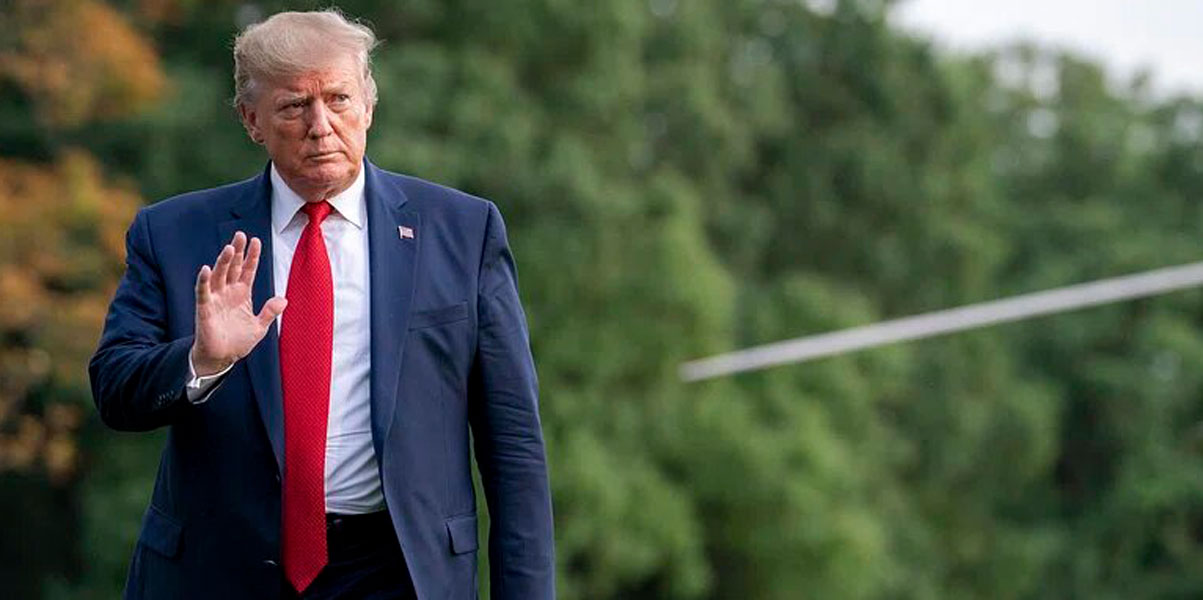
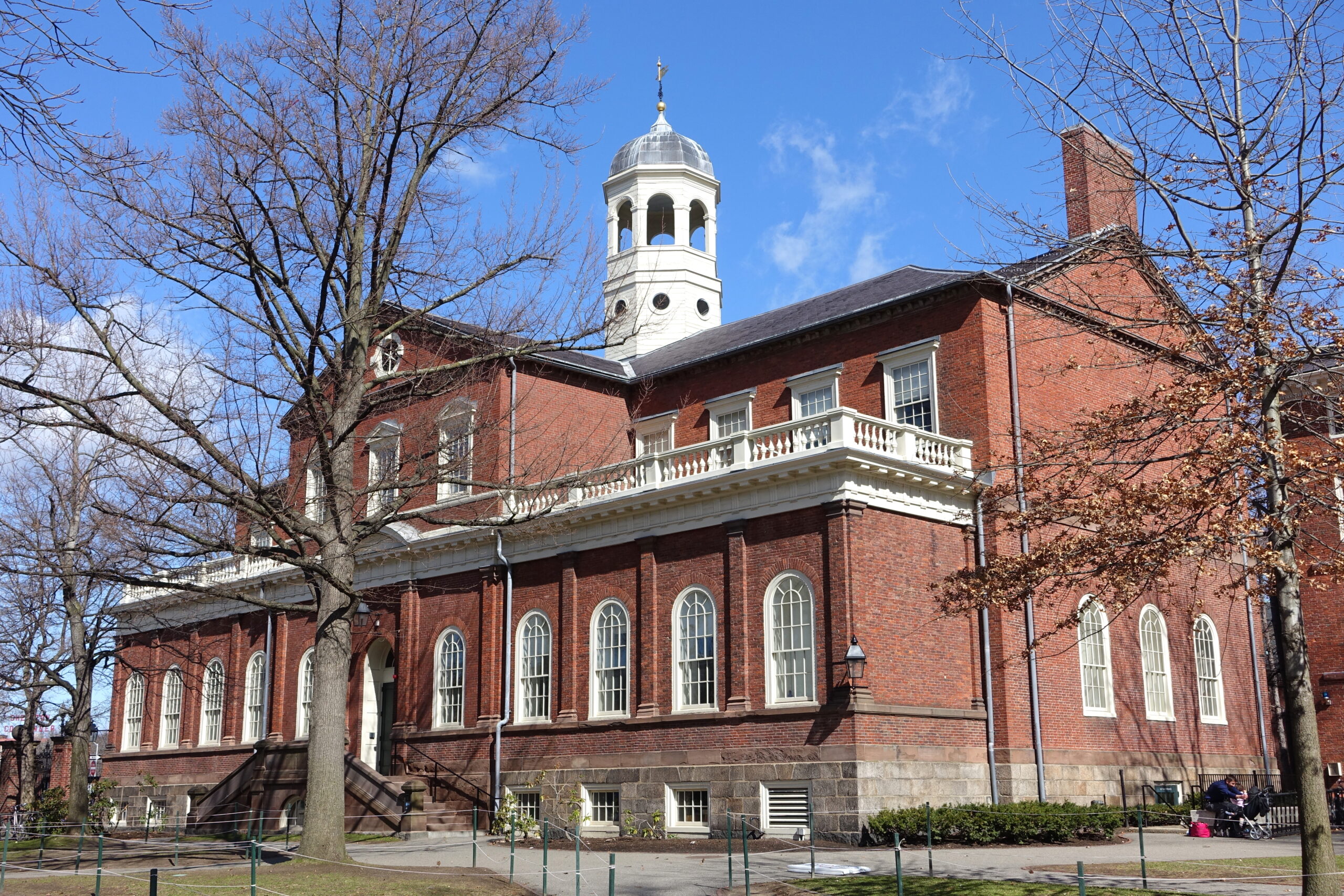
United States: President Donald Trump’s leadership has escalated scrutiny of Harvard University following a federal inquiry that uncovered what it described as a troubling culture of antisemitic hostility and institutional apathy towards Jewish and Israeli students. The Justice Department issued a scathing notice to University President Alan Garber, stating that Harvard’s conduct had ranged from sheer neglect to outright facilitation of harassment, and threatened to revoke all federal financial streams unless swift corrective actions were taken.
The administration’s letter, unsparing in its tone, denounced Harvard’s apparent complicity and warned of dire fiscal consequences if the university failed to institute significant reforms without delay.
Mounting Pressure Amid Ongoing Feud
This federal finding lands just as President Trump hinted at a breakthrough in tense negotiations with the school, an institution he has repeatedly criticized. Over recent months, the administration has slashed more than $2.6 billion earmarked for research grants, floated the idea of revoking Harvard’s tax-exempt status, and challenged its right to admit international students, according to the reports.
The feud has deepened since Trump’s broader campaign to reshape the higher education landscape, pushing his “America First” doctrine into the academic sphere. In this case, the conflict crystallizes around allegations of antisemitism, political partiality, and diversity hiring practices.
Opaque Financial Threats and Federal Leverage
Although the letter, signed by Civil Rights Assistant Attorney General Harmeet Dhillon, did not specify the extent of new financial penalties, it hinted at wider measures that could encompass Pell Grant access and federal student loan eligibility—lifelines for many graduate students.
These financial instruments serve as powerful bargaining chips for the government, placing Harvard’s budgetary security in jeopardy.
Harvard’s Denial and Institutional Pushback
In response, Harvard released a sharply worded statement rejecting the government’s accusations. The university insisted that it has made “notable progress” in tackling hate and discrimination, emphasizing its commitment to protecting Jewish and Israeli students from harm.
“Antisemitism, in any form or setting, is intolerable,” the university stated. “Harvard continues to act with resolve to identify and dismantle the roots of antisemitism within its environment.”
President Garber, himself of Jewish heritage, has publicly questioned the administration’s motives, implying that the crackdown may have more to do with controlling intellectual freedom than any genuine concern for student welfare. Harvard has already initiated legal action to reverse funding freezes and resist federal attempts to oversee foreign admissions.
Protests and Policy Collisions
The administration’s findings point to a disturbing climate on campus, citing that most Jewish students experienced prejudice or animosity, with a significant number reporting feelings of physical insecurity. The letter also mentioned Harvard’s handling of pro-Palestinian demonstrations following the October 2023 Hamas-Israel conflict, accusing the school of inadequate disciplinary responses to student misconduct.
This narrative, first reported by the Wall Street Journal, signals the White House’s intensified efforts to scrutinize elite academia, with Harvard as its principal target. The administration’s criticism has ballooned beyond antisemitism into accusations of ideological favoritism and systemic political leaning.
National Campaign to Reconstruct Academia
President Trump’s advisors, particularly Stephen Miller, have guided a wide-reaching federal campaign that has zeroed in on leading institutions such as Columbia, Cornell, and Northwestern. Recently, University of Virginia President James Ryan resigned rather than withstand a similar probe into his school’s diversity programs.
Garber, meanwhile, initially resisted negotiating with the White House, denouncing what he described as attempts to govern the “intellectual fabric” of Harvard. Despite his strong rhetoric and public resistance, the school has begun trimming staff and reducing spending under the weight of governmental countermeasures.
A Historic Settlement on the Horizon?
Earlier this June, President Trump suggested that an agreement might soon be reached, citing Harvard’s cooperative posture in recent dialogues, as reported.
“They’ve acted honorably in discussions,” Trump posted on Truth Social. “If this settlement materializes as discussed, it could be monumentally historic—and a victory for our country.”
Even as discussions continue, Harvard has issued reports on both antisemitism and Islamophobia on campus. Garber himself admitted to having encountered antisemitic behavior during his time at the university, offering a public apology for any institutional shortcomings.
A Battle Over Values and Authority
As tensions between the Trump administration and Harvard intensify, the confrontation is revealing not only deep ideological rifts but also questions about who controls the principles of higher learning in America. With federal dollars at stake and academic freedoms under scrutiny, Harvard finds itself at a high-stakes crossroads, navigating a storm that could reshape the future of American education.