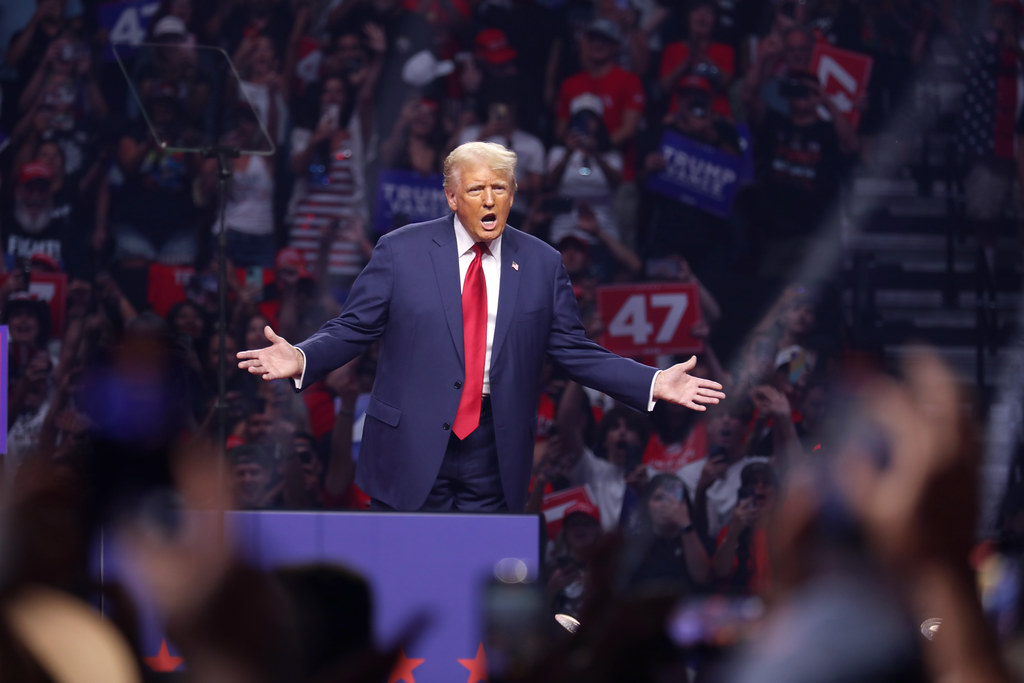
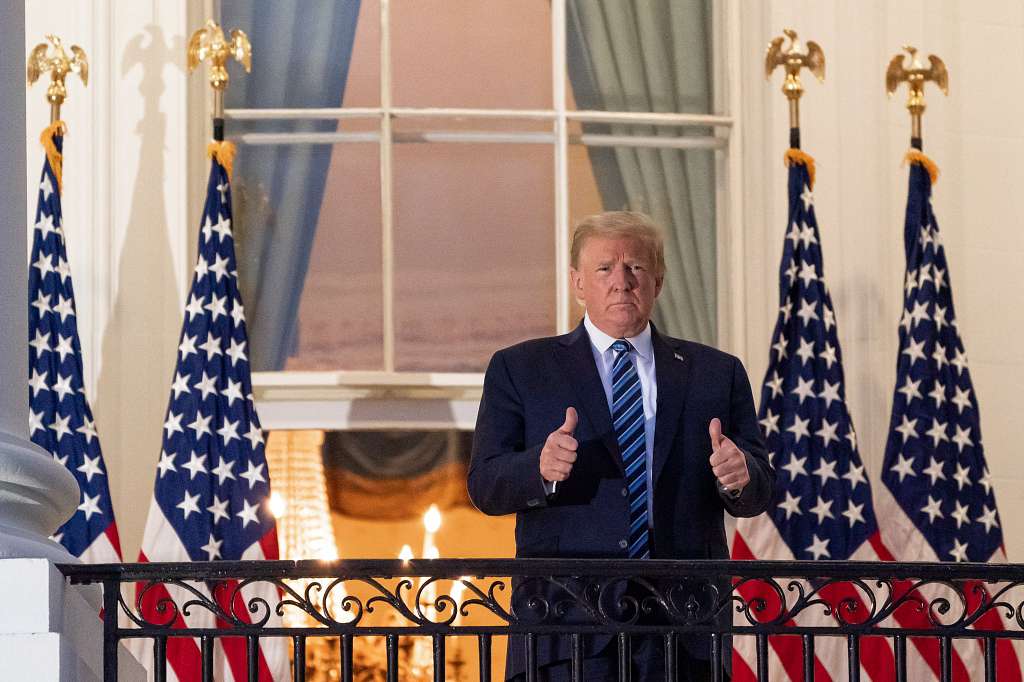
United States: In a tightly watched summit set for Monday, President Trump seeks to forge an accord with Israeli Prime Minister Benjamin Netanyahu, hoping to ink conditions that would quell the firestorm in Gaza, according to insider accounts from US officials via Axios.
Why It Resonates:
Trump is eager to capitalize on the cooling embers of the Israel–Iran ceasefire, pushing for a long-awaited breakthrough on Gaza. While previous attempts have stalled over the past four months, recent diplomatic developments suggest a possible shift in the tide toward a meaningful truce.
The Crux of the Proposal:
On the negotiating table lies a 60-day cessation of hostilities — a fragile intermission tethered to the return of 10 living Israeli captives and the bodies of 18 others. Trump views this blueprint as a launchpad for broader reconciliation, although Netanyahu remains reluctant to endorse a comprehensive deal to halt the war, according to Axios.
Diplomats from Israel and Hamas, alongside mediators from Egypt and Qatar, convened in Doha on Sunday, aiming to resolve final snags in hostage-release and ceasefire deliberations. Prior to his departure, Netanyahu expressed cautious optimism that his meeting in Washington might be the linchpin needed to push the deal forward.
Speaking to reporters, Trump conveyed his belief that an agreement could be solidified within the week.
Under the Surface:
If the truce holds, the next battlefield shifts to diplomacy — namely, the vision for Gaza’s governance once the dust settles. During this proposed 60-day pause, the structure of Gaza’s political future would take center stage.
Washington aims to reach a shared vision with Israeli leadership about how to secure Gaza without Hamas pulling the strings — and to prevent any resurgence of the group’s militant grip.
In the Limelight:
The two leaders are scheduled to break bread at the White House on Monday evening, with top-level talks expected to hone in on the “day after” — Gaza’s fate post-conflict.
Key discussions on this matter already took place last week between Netanyahu’s close ally, Ron Dermer, and White House special advisor Steve Witkoff. A senior US official noted that Trump wants to directly gauge Netanyahu’s vision and hash out a mutual framework for what lies ahead.
“We’re pursuing consensus on the next phase — a skeletal framework for Gaza’s future,” the US official remarked, as reported by AXIOS.
Shifting Sands:
Israel has lately recalibrated its position, softening its insistence on banishing senior Hamas leaders. Now, Israeli officials signal they might settle for a token expulsion of a select few commanders rather than a mass exile.
“Few high-ranking Hamas figures remain. A massive ship’s not required to exile them — a small raft suffices,” quipped an Israeli official.
Further, while Israel demands Hamas’ military infrastructure be dismantled, it is reportedly open to a pardon for hundreds of rank-and-file fighters, provided they surrender their arms.
The Wider Lens:
Looming over all of this is the thorny dilemma of who will hold the reins in post-war Gaza.
Neither the Trump administration nor Israel wants a setup akin to Hezbollah’s presence in Lebanon, where an armed shadow government operates behind a civilian front. Both insist that Gaza must no longer pose a security threat to Israel, which, in Netanyahu’s words, necessitates “the obliteration of Hamas’ governing and military apparatus.”
Drilling Down:
Netanyahu remains steadfast in his rejection of Hamas or the Palestinian Authority playing any role in Gaza’s reconstruction or leadership. Instead, he proposes an Arab-led administration working in tandem with select local Palestinian figures unaffiliated with either group, according to AXIOS.
However, key regional actors — including Egypt, Jordan, the UAE, and Saudi Arabia — resist this path. They argue any enduring solution must include the Palestinian Authority and provide a clear political vision for the Palestinian people.
Europe and the Arab world also press for the “day-after” scheme to be part of a broader two-state framework. But Netanyahu’s administration holds its ground, staunchly opposing any steps toward that direction.