United States: President Donald Trump has issued a new executive order aimed at tightening election rules before the 2026 midterm elections. This decision has revived his repeated, yet unproven, claims of widespread voter fraud.
Titled the “Preserving and Protecting the Integrity of American Elections” order, the directive introduces stricter voting regulations that could significantly change how elections are conducted, according to Al Jazeera.
Key Points of the Executive Order
Proof of Citizenship Requirement:
The order requires voters to provide official proof of U.S. citizenship—such as a passport or birth certificate—before they can vote. This measure is meant to prevent non-citizens from voting, which is already illegal and punishable by jail time and deportation.
Federal agencies, including the Department of Homeland Security (DHS), will work with state election offices to verify citizenship using government records. However, civil rights groups argue that this requirement may unfairly affect eligible voters who have difficulty obtaining these documents.
Richard Hasen, an election law expert from the University of California, Los Angeles, expressed concern that millions of eligible voters could be blocked from voting while addressing an issue that is statistically rare.
Mail-in Ballot Deadline:
The order enforces a strict rule that all mail-in ballots must be received by Election Day to be counted. Many states currently allow ballots that are postmarked by Election Day to arrive later and still be valid.
Eighteen states, including key battleground states, currently count late-arriving ballots if they were sent on time. The new rule would eliminate this flexibility, potentially disadvantaging voters in areas with slower mail service.
Federal Funding Conditions:
The order makes compliance with these new rules a requirement for states to receive federal election funding. The Attorney General has been given authority to take legal action against states that do not follow the order.
This condition could pressure states into following the new rules or risk losing essential funding. Earlier this year, Congress allocated $55 million under the Help America Vote Act (HAVA) to support election security and administration.
Data Sharing and Enforcement:
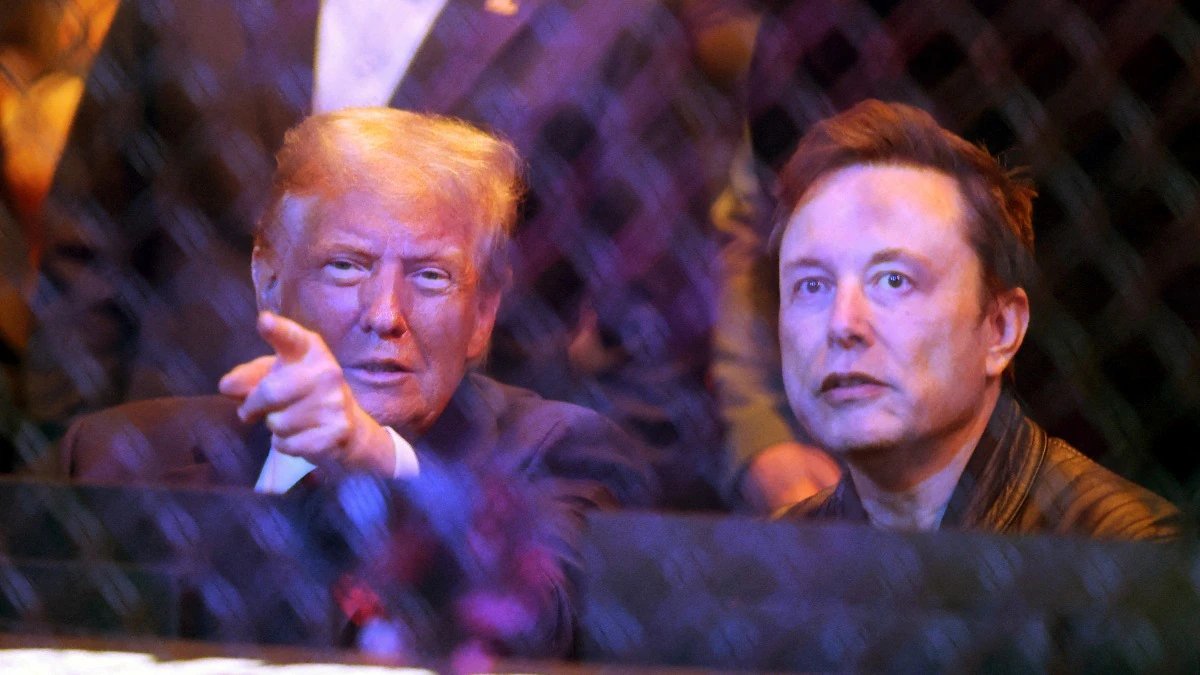
The Secretary of Homeland Security, Kristi Noem, has been instructed to develop systems that allow states to access federal citizenship verification databases. The Department of Homeland Security will work with the Department of Government Efficiency (DOGE), led by Elon Musk, to review voter registration records and issue subpoenas if needed.
However, legal analysts argue that DOGE’s role may be more symbolic than practical. According to Hasen, the agency’s actual power is limited, though it could still contribute to political disputes over election security.
Legal and Political Reactions
Trump’s executive order is likely to face legal challenges. The U.S. Constitution gives states the primary authority over election laws, which could be the basis for lawsuits against the order.
Arizona’s Secretary of State Adrian Fontes and Attorney General Kris Mayes have already indicated they may take legal action, calling the order an unconstitutional overreach into state-controlled election processes.
Fontes also warned that the real goal of the order might go beyond changing voting procedures. He suggested it could be a way to challenge election results in the future.
Support and Opposition
Conservative groups, such as the Heritage Foundation, support the order. Hans von Spakovsky, who leads the foundation’s Election Law Reform Initiative, praised it as a necessary correction to what he described as excessive federal control under the Biden administration, according to Al Jazeera.
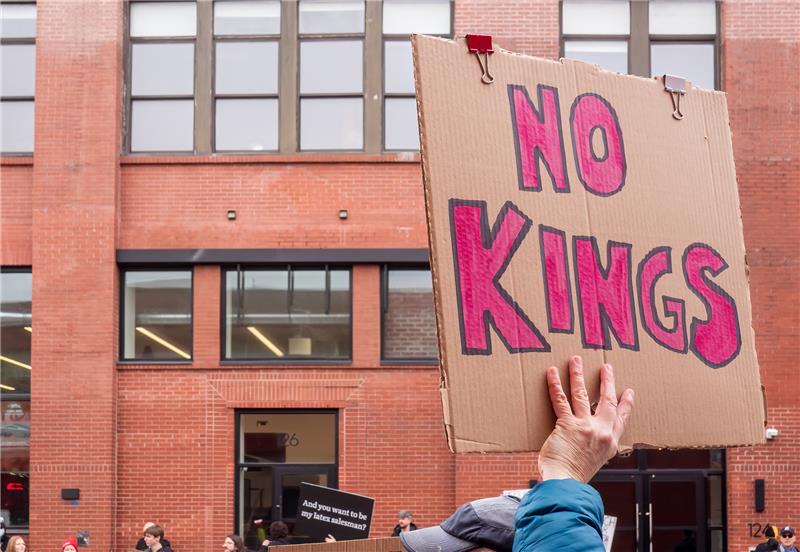
Opponents, however, argue that this move is part of Trump’s ongoing efforts to cast doubt on elections when the results do not favor him. They say this order fuels concerns about voter fraud without concrete evidence.
As legal disputes unfold and political debates continue, Trump’s order is expected to play a major role in shaping the 2026 elections, setting the stage for a highly contentious voting season.