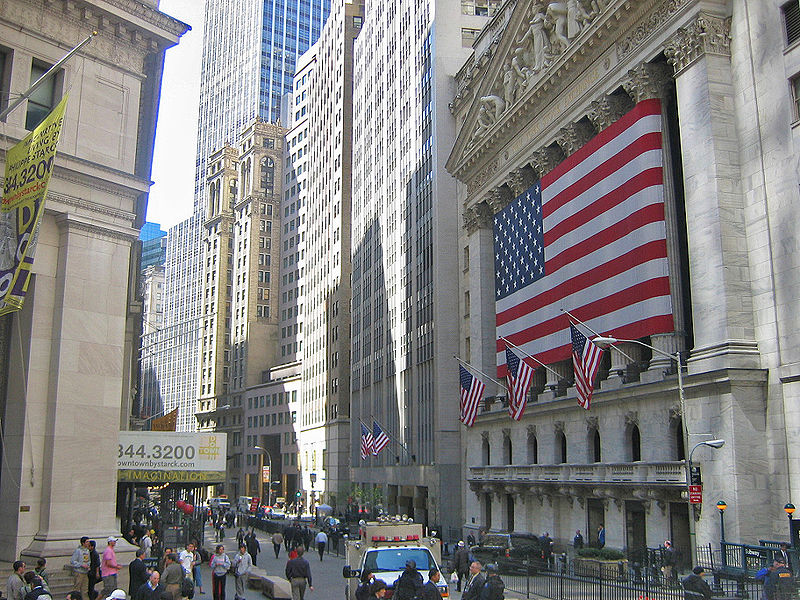
After Thursday’s massive financial drop—the worst trading day in five years—US stock markets took another hit on Friday. Investors reacted strongly to President Trump’s tough stance on tariffs, especially after China responded with force.
Background Context:
During Trump’s first term, market volatility often led to some policy pullbacks. But now, in his new term, he seems more determined to stick with his aggressive trade approach, regardless of how markets react, according to AXIOS.
What Happened in the Markets:
– The S&P 500 and Nasdaq dropped sharply, each losing nearly 3 percent early in the day.
– The Russell 2000, which tracks smaller companies, plunged 7 percent, pushing it further into what’s called a “bear market” (a decline of 20 percent or more from recent highs).
– By the end of Friday, the Nasdaq also entered bear market territory.
– In Europe, the Stoxx 600 index fell over 4 percent, showing that the turmoil wasn’t limited to the US
What Caused the Sell-Off:
The main trigger was China’s announcement of a steep 34% tax on American imports, set to begin April 10. AXIOS reported that this move escalated the already tense trade war between the US and China.
Investor Reactions:
Matt Burdett, head of equities at Thornburg Investment Management, shared a gloomy view, “These back-and-forth tariffs have brought back the kind of uncertainty we haven’t seen since the start of the pandemic. Strangely, markets aren’t reacting as strongly as they probably should. If these tariffs stay in place, they could cause serious problems for global trade and consumer spending.”
As the trade fight heats up, Wall Street is struggling to find direction. In the past, markets influenced policy decisions. Now, they seem to be caught in a cycle of chaos—bouncing wildly with no clear path forward.