
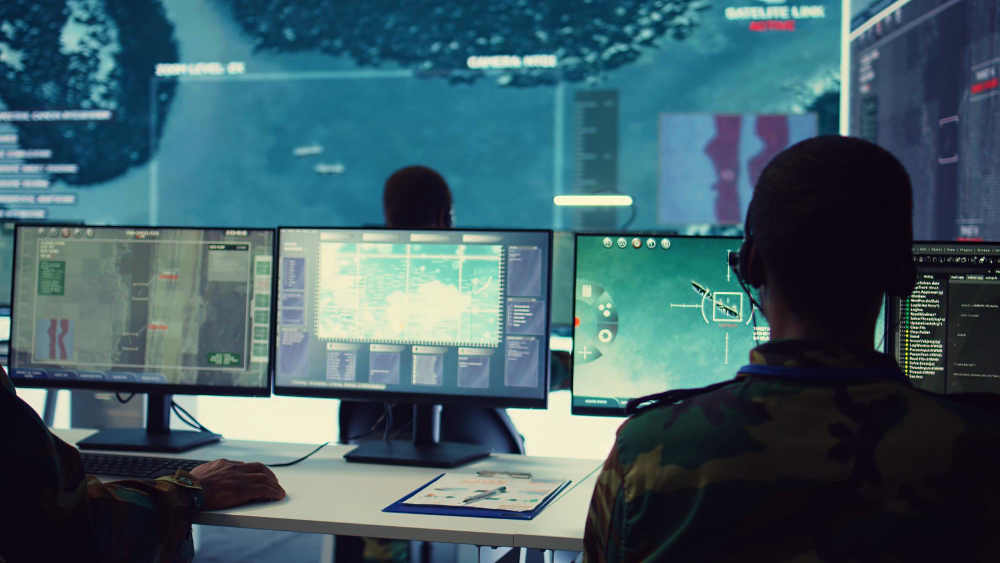
In the digital age, wars are no longer fought solely with tanks, missiles, or fighter jets—they’re waged in cyberspace. The frontlines of modern conflict have expanded beyond physical borders, now encompassing invisible networks and virtual battle zones. Today, cybersecurity has become one of the most critical aspects of national defense, shaping the strategies of both military organizations and global governments.
As nations race to dominate the cyber domain, the U.S. Department of Defense has made its stance clear by proposing a staggering $64.1 billion allocation for IT and cyberspace activities in fiscal 2025. This isn’t just a budget—it’s a loud and urgent call to action.
Cyberwarfare: Silent, Swift, and Devastating
Unlike traditional warfare, cyberattacks are stealthy and instantaneous. A malicious line of code can cripple entire energy grids, steal classified military intelligence, or manipulate financial systems—all without a single bullet being fired. These attacks often go undetected until the damage is done.
In recent years, we’ve seen state-sponsored cyberattacks rise at an alarming rate, targeting critical infrastructure such as healthcare systems, power plants, transportation networks, and defense databases. From the infamous SolarWinds hack to ransomware attacks on pipeline companies, the message is clear: cyber threats are not hypothetical—they’re happening now, and they’re escalating.
Why Cybersecurity Is the New Priority
So why is cybersecurity now considered a battlefield? Because control of cyberspace translates into control of information, communication, and influence. A well-orchestrated cyberattack can disorient an entire nation without ever stepping onto its soil.

For military organizations, cybersecurity is vital for:
- Protecting classified information and communications
- Securing weapon systems and drones
- Monitoring and countering enemy cyber operations
- Ensuring operational readiness during conflict
In the civilian world, the line between everyday life and digital infrastructure is blurred. Water supplies, hospitals, transportation systems, and financial markets all rely on connected networks. A breach in any of these systems could trigger chaos.
The Role of Artificial Intelligence and Automation
As threats become more complex, the tools to combat them must evolve. Artificial Intelligence (AI) is transforming cybersecurity by enabling real-time threat detection, pattern recognition, and automated responses. AI-powered systems can detect anomalies in network behavior before human analysts can even blink.
For instance, when a cyberattack is launched, automated AI systems can:
- Identify the point of intrusion
- Analyze the malware signature
- Contain the breach
- Initiate immediate countermeasures

This level of speed and efficiency is critical, especially when milliseconds can mean the difference between safety and catastrophe.
Cyber Soldiers: The New Warriors
Just as we train soldiers to fight on land, sea, and air, we now need cyber warriors—highly skilled professionals who can navigate the labyrinth of firewalls, encrypted codes, and digital espionage. These individuals form the backbone of national cybersecurity teams, often working in the shadows to defend against attacks we never see.
Governments around the world are investing in cybersecurity education and training, encouraging a new generation of ethical hackers, forensic analysts, and digital defenders to step up and secure the digital frontier.
Global Cooperation and Cyber Diplomacy
Cybersecurity isn’t just a national issue—it’s a global concern. A cyberattack on one country can ripple across borders, affecting global markets, international relations, and worldwide stability. That’s why collaboration between nations is more crucial than ever.
International alliances like NATO and the United Nations are actively developing frameworks for cyber defense and mutual assistance. Cyber diplomacy—negotiating peace in digital spaces—is becoming a central theme in foreign policy discussions.
The Rise of Cybercrime-as-a-Service
Adding fuel to the fire is the emergence of Cybercrime-as-a-Service (CaaS)—a dark web marketplace where hackers offer their tools and services to anyone willing to pay. This democratization of cyberweapons means that even small rogue groups or individuals can launch sophisticated attacks.

It’s a chilling reality: you no longer need technical expertise to be a cybercriminal. With enough money and malicious intent, anyone can buy ransomware kits, phishing tools, and denial-of-service packages on the black market.
The Way Forward: Building Cyber Resilience
The future of cybersecurity lies in resilience, not just resistance. It’s not about if an attack happens—but when. Governments, businesses, and individuals must adopt a mindset of continuous preparedness.
Here’s what that looks like:
- Zero-trust architecture: Assume no one is trustworthy until verified.
- Regular vulnerability assessments: Find the gaps before attackers do.
- Cyber hygiene practices: Strong passwords, multi-factor authentication, and regular updates.
- Public awareness campaigns: Educate citizens about phishing, scams, and personal data protection.
Conclusion: A War Worth Fighting
Cybersecurity is no longer just an IT issue—it’s a matter of national survival. As the digital landscape expands, so do the threats that lurk within it. The battlefield has changed, but the mission remains the same: protect, defend, and prevail.
The fight for cyberspace dominance has already begun. The question is—are we prepared to win it?