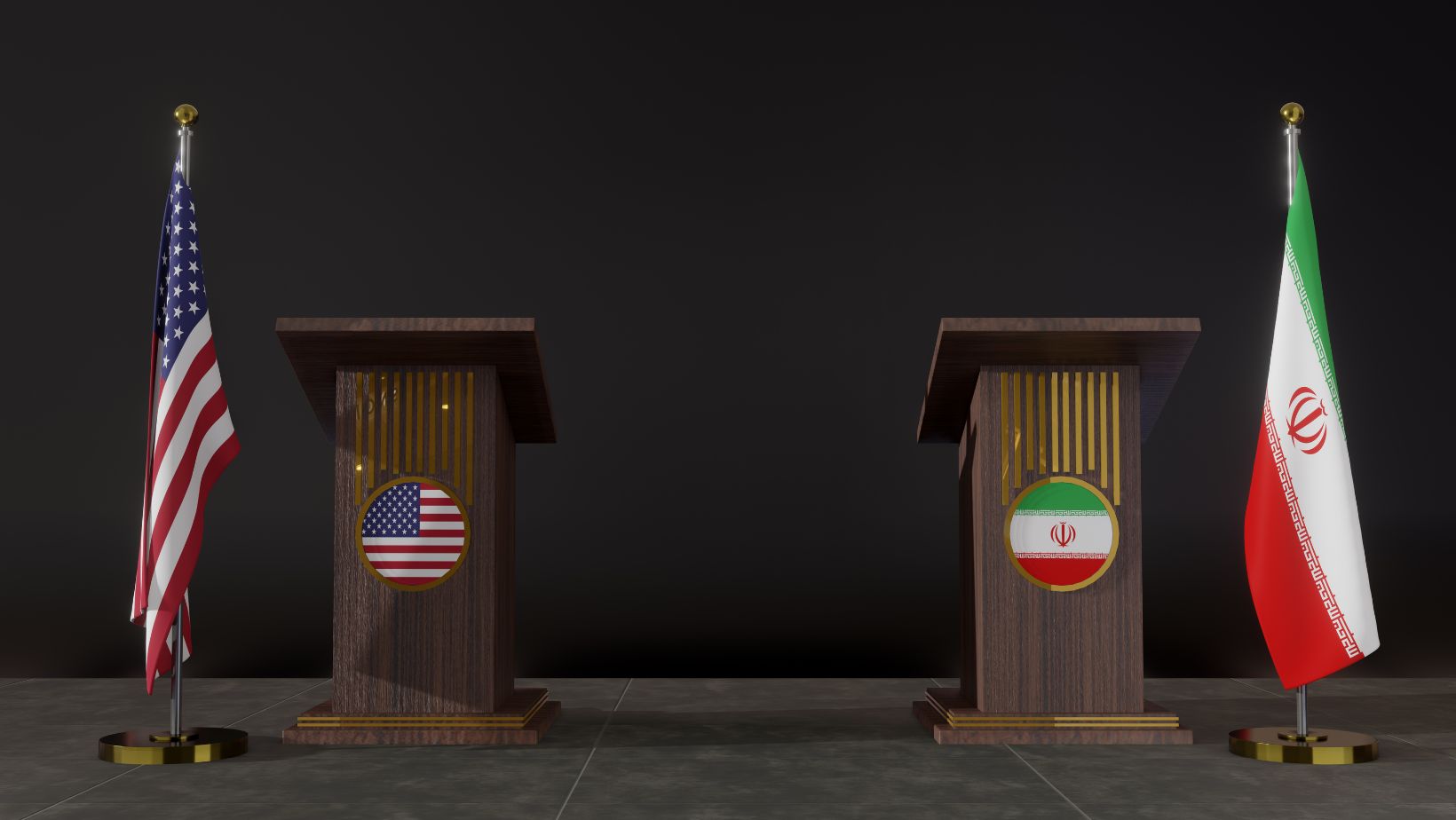
United States: Amid ongoing deliberations over its atomic ambitions, Iran has firmly pressed the United States to articulate—unambiguously and in full—how it intends to dismantle sanctions, should the two nations finalize a revamped nuclear accord.
Speaking on behalf of Iran’s foreign ministry, Esmail Baghaei issued this firm call for clarity on Monday, shortly after Washington floated what it labeled a “suitable” framework for agreement. Nonetheless, unofficial sources suggest that Tehran regards the American offer as implausible, and internal discussions hint at an impending rejection.
Over the past seven weeks, the two geopolitical adversaries have traded positions across negotiation tables, with Washington seeking concrete proof of peaceful intent from Iran’s atomic ventures. In turn, Tehran longs to be emancipated from a web of crippling sanctions that have throttled its economy and choked financial mobility.
But the Islamic Republic has now drawn a decisive line, pressing Washington to expose, with unmistakable specificity, the architecture of the promised sanction rollback. This demand echoes long-standing skepticism, as expressed by Supreme Leader Ayatollah Ali Khamenei earlier this year, according to Al Jazeera.
According to Iran’s state-run IRNA agency, Baghaei underscored that genuine confidence hinges upon explicit commitments detailing “how, when, and through which framework” sanctions would be unraveled.
“The American delegation has yet to shed sufficient light on this pivotal matter,” Baghaei affirmed.
He reaffirmed Tehran’s steadfastness in continuing uranium refinement under what it categorizes as peaceful objectives.
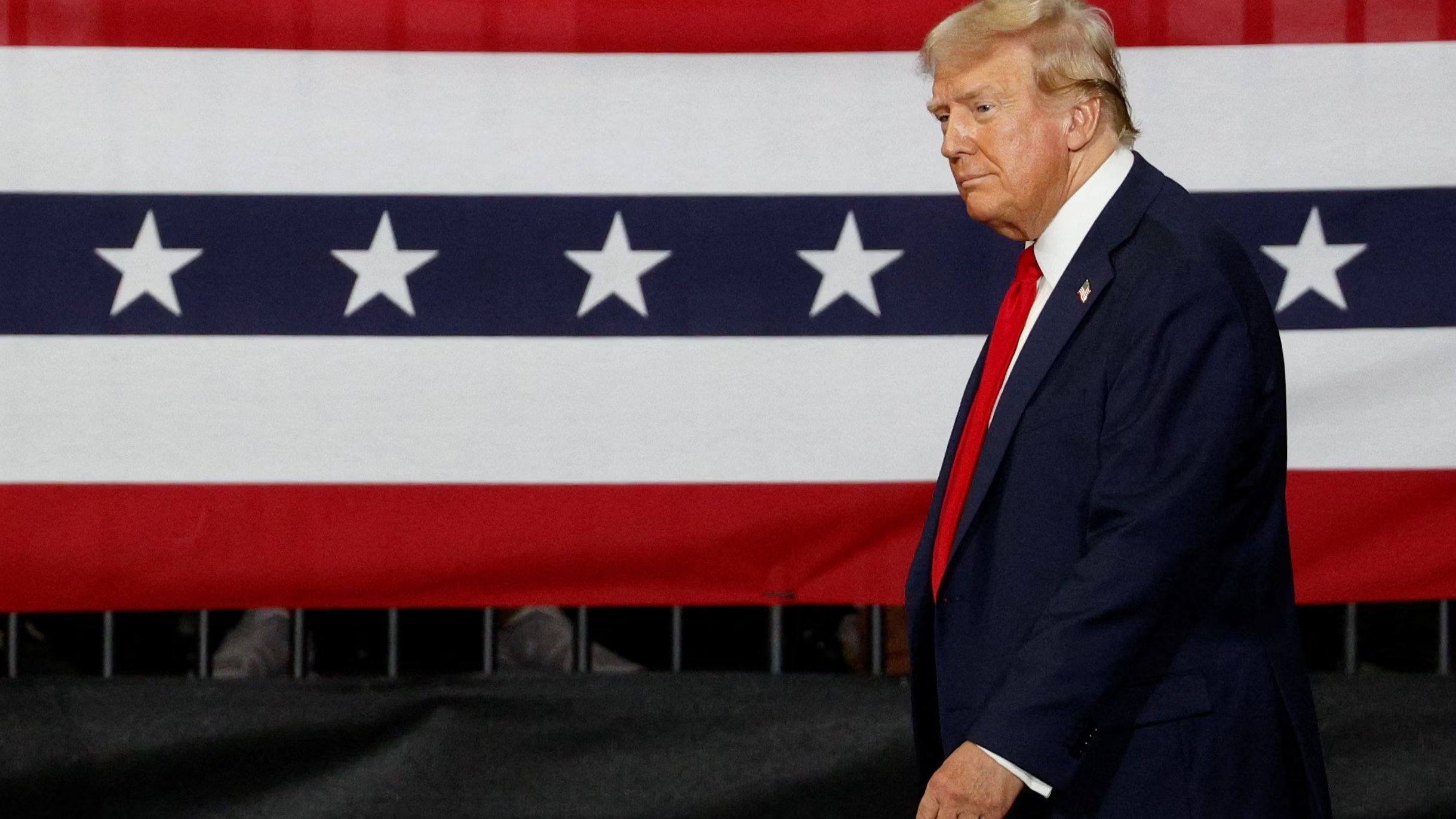
Contrarily, US envoy Steve Witkoff conveyed President Donald Trump’s resolute opposition to any form of Iranian enrichment, categorizing such activity as an uncompromising “red line.”
Meanwhile, a confidential document from the United Nations surfaced, disclosing that Iran has sharply accelerated uranium enrichment up to 60%—well below the weapons-grade threshold of 90%, yet far beyond the 4% benchmark used for civilian energy.
Baghaei brusquely repudiated the UN report, denouncing it as slanted and attributing its tone to external pressure levied by unnamed Western powers aiming to undercut Iranian sovereignty.
The New York Times cited official insiders indicating that the American proposal stipulates a full cessation of Iran’s enrichment activities. While Tehran has officially acknowledged receipt of the draft, Iranian officials insist that acknowledgment does not imply agreement.
“Merely receiving a document does not signify acceptance, nor should it be interpreted as satisfactory,” Baghaei clarified, as reported by Al Jazeera.
According to Reuters, a senior Iranian diplomat revealed that Tehran is actively crafting a formal counterblast—a rejection cloaked in diplomatic decorum. The official reportedly dismissed the proposal outright, branding it a “non-starter” for its inflexible stance on uranium processing and vague exposition on sanctions relief mechanisms.
Since April 12, Iran and the United States have engaged in five distinct negotiation rounds, striving to formulate a modernized accord that could substitute the previous deal—abandoned by President Trump during his earlier tenure in 2018.