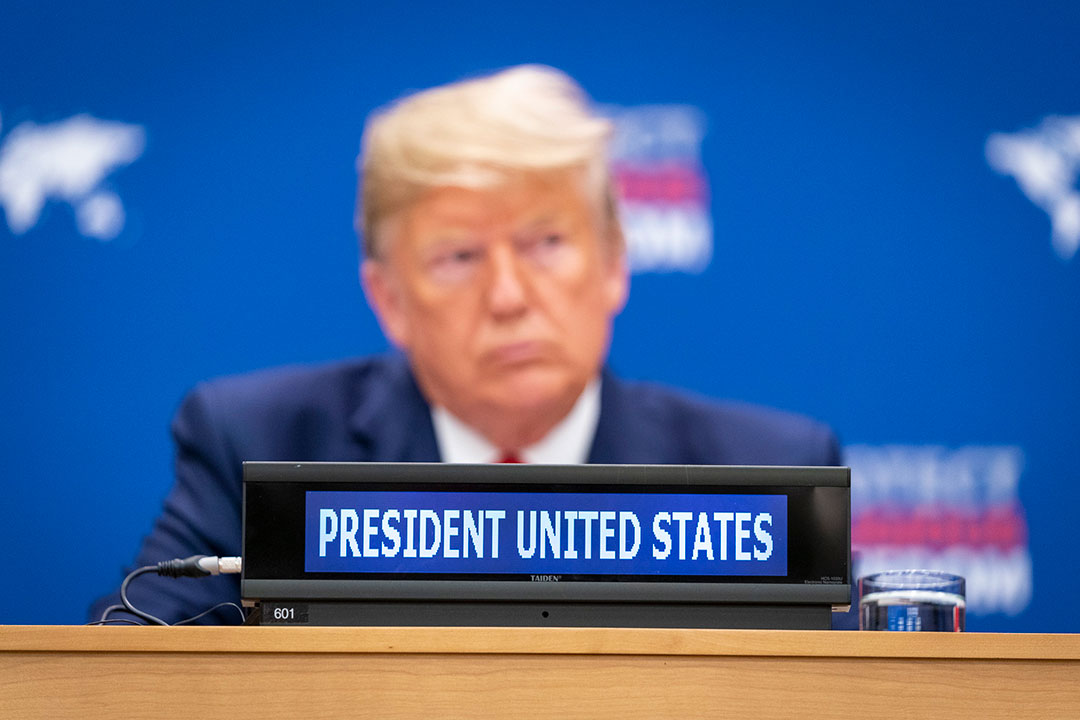

United States: In a sharp jolt to Wall Street, Tesla’s (TSLA) market presence faltered midweek, echoing the thunderous fallout from a high-stakes political rupture between President Trump and Tesla’s outspoken figurehead, Elon Musk.
On Tuesday, the former czar of the Department of Government Efficiency (DOGE) erupted in exasperation, branding the Congressional funding package as “a bloated, indecent monstrosity packed with fiscal sludge,” and scornfully declared, “Those House members who signed off on it should hang their heads in disgrace.”
Come dawn Wednesday, Musk fanned the embers with another fiery missive: “If this uncontrollable binge-spending doesn’t taper off, all that will remain is enough to feed the debt beast—leaving the rest barren.”
Musk’s recent string of salvos—including an incendiary appearance on “CBS News Sunday Morning”—has stirred up dust across Capitol Hill, especially as he intensified his broadsides against the Republican-engineered financial leviathan dubbed the “big, beautiful bill.”
Simultaneously, DOGE has taken its own beatings for delivering budget cuts that are either too meager to matter or too abrasive for public taste. Its once-celebrated efficiency crusade now flickers under scrutiny.
Tesla’s entwined fortunes with the Trump-led administration once seemed golden, thanks to lucrative collaborations involving SpaceX, NASA, and potential regulatory boosts from NHTSA that could ease Tesla’s path to deploy its anticipated robotaxi fleet. That political proximity now feels like a double-edged blade, according to reports by Yahoo Finance.
Recently, Tesla’s trajectory has encountered turbulence not just from lukewarm demand in the EU, but also from vocal unrest stateside, where demonstrators have taken to Tesla’s showrooms, frustrated by Musk’s increasingly visible political leanings and alliance with DOGE. Some former loyalists now feel adrift, having been distanced by what they see as a tilt too far to the right.
All eyes now focus on Tesla’s pivotal robotaxi trial, penciled in for June 12 in Austin. The firm’s future market heft hinges profoundly on whether its self-driving tech can genuinely anchor both commercial robotaxi fleets and private ownership.
Meanwhile, in the realm of autonomous vehicles, Alphabet’s Waymo remains far from idle. It has surged ahead, boasting a staggering quarter million driverless trips every week, and has established a firm grip on the top spot.
A Patchwork of Sales: Tesla’s May Metrics Around the Globe
Turning to the heart of Tesla’s operations—its automobile division—the global data story for May has been uneven at best.
One sliver of sunshine comes from the land Down Under. Australia’s Drive publication noted Tesla notched 3,897 deliveries in May, its most robust tally in nearly twelve months. The rejuvenated Model Y did much of the heavy lifting, clocking in 3,580 units, marking a 122.5% surge over last year. Overall deliveries crept up by 9.3%.
Yet the broader picture remains sobering: Tesla’s cumulative year-to-date sales in Australia have shriveled by 48.2%. The once-popular Model 3 sedan plunged dramatically, down 83.8% in May. Nevertheless, the invigorated Model Y performance hints that brighter days might be on the horizon in this key EV battleground.
Contrastingly, in the UK, Tesla’s grip has loosened. As per New AutoMotive’s assessment, May registrations plunged 45% year-on-year, slipping to 1,758 vehicles. In contrast, the UK’s general car market expanded 4.3%. Chinese rival BYD, showing no signs of deceleration, more than doubled its registrations to 1,388. Although those figures also apply to hybrids and petrol variants, the momentum shift is unmistakable, according to Yahoo Finance.
Zooming out to mainland Europe, Tesla’s May narrative remains glum. Sales declined in key markets such as Germany, Sweden, France, Denmark, and Spain. Only Austria and Norway resisted the downtrend, recording marginal gains.