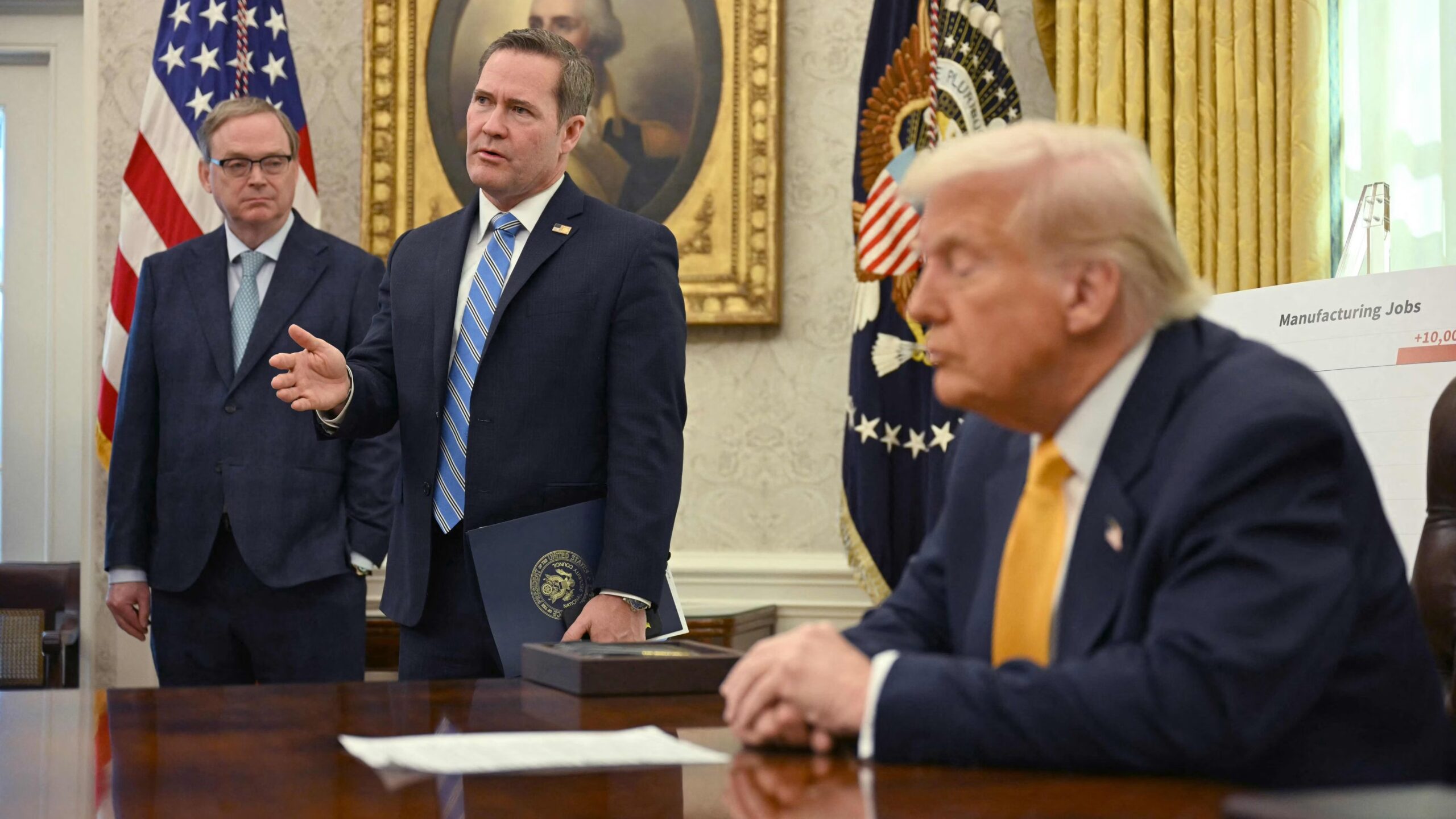
United States: This past Monday, Donald Trump made waves online, declaring the inception of two fresh national holidays. Without hesitation or delay, he proclaimed these observances would commemorate the triumphs in World War I and World War II. The selected dates? November 11 and May 8.
In his post on Truth Social, Trump expressed frustration that the United States, despite being a decisive force in both conflicts, lacks dedicated celebrations, according to fortune.com.
“We clinched victory in two global wars, yet never celebrated ourselves—everyone else does!” he wrote. “Across the globe, Allies recognize WWII triumph. The only place ignoring it? The United States—and we made the win possible!”
Trump’s declaration sparked a flurry of speculation: Would Americans get another day off work? Could Trump even single-handedly mandate a national holiday?
May 8: Business as Usual Despite the Hype
Are banks shuttered on May 8?
Nope. Financial institutions will function routinely. Safe deposit access? Unhindered. According to Trump, “we will not be closing the Country” for these additions—his reasoning being, “we already have too many Holidays in America.”
Does mail still move?
Yes. Postal services, alongside FedEx and UPS, will maintain regular flow. Package drop-offs and deliveries remain untouched.
Is Wall Street on pause?
Not even slightly. Stock markets will carry on with their regular rhythms, undisturbed.
Are government buildings closed?
Not at all. No official bills have surfaced in state legislatures to cement this holiday formally. On the federal end, Trump reinforced, “We were Workers then, and we are Workers now!”—a sentiment suggesting no federal stoppage in sight, as per fortune.com.
Retail and grocers on May 8—still open?
Absolutely. No retail closures are anticipated. Sales events might be skipped, though—this holiday seems less commercial and more commemorative.
So… Can Trump Actually Create a National Holiday?
Here’s where things get murky. Anyone can declare a “national holiday” in spirit—think quirky celebrations like Ice Cream for Breakfast Day (first Saturday in February) or Lost Sock Memorial Day (May 9). These are more novelty than necessity.
But to establish a federal holiday—the kind that earns a genuine day off—Congress must step in. Only legislative action can encode it into law. States also hold discretion; they can choose whether to follow suit.
At present, the United States recognizes a dozen official federal holidays. The next one that may give workers a breather? Memorial Day, set for May 26 this year.