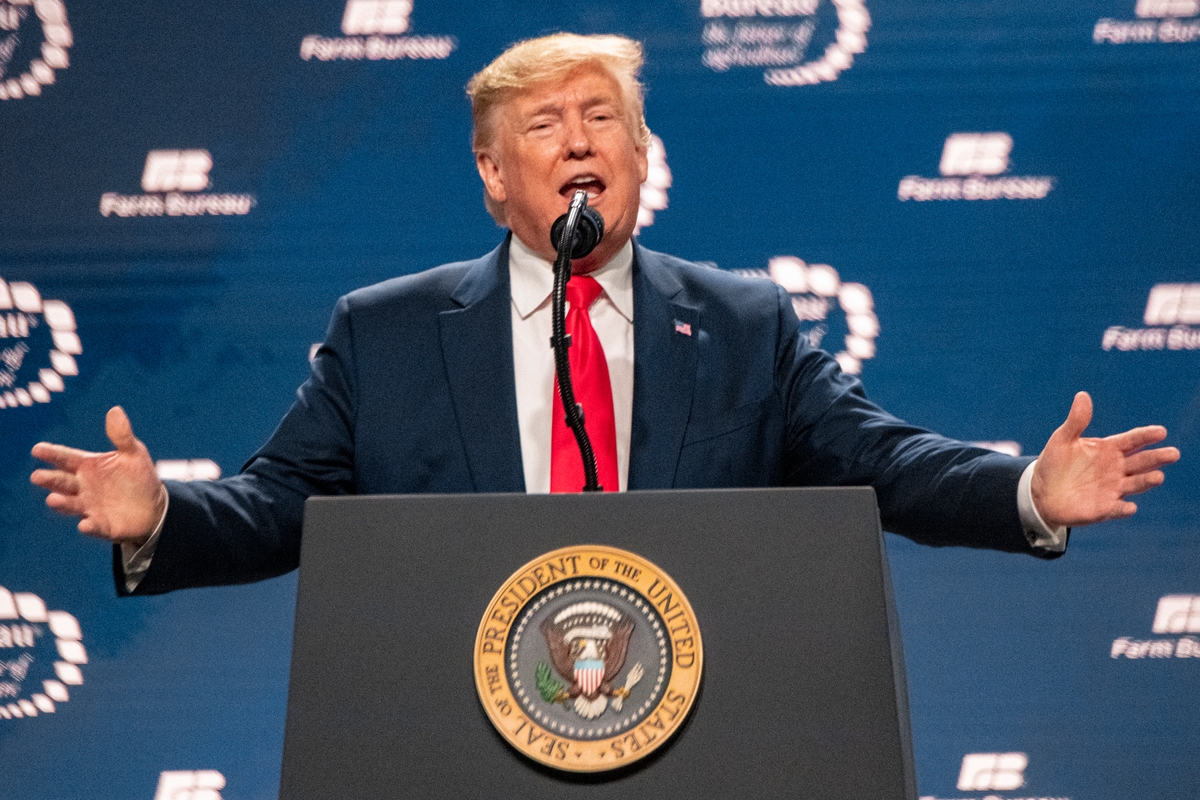
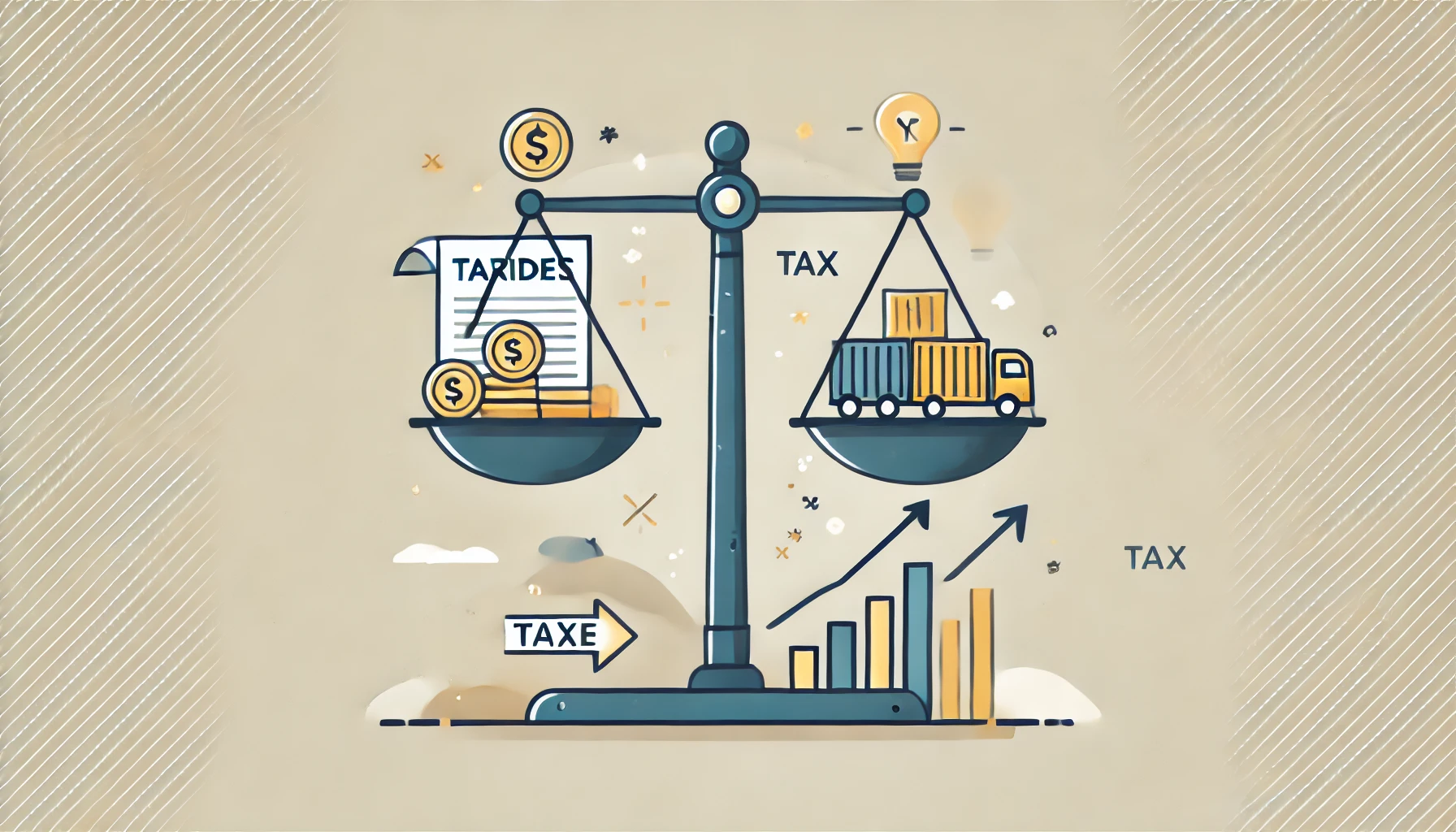
United States: In a proclamation that sent ripples through global trade dynamics, President Donald Trump declared an impending 25% tariff on any country acquiring petroleum from Venezuela. The statement, disseminated through Truth Social, underscored Trump’s stance that Venezuela has exhibited hostility toward American principles and interests. He warned that any nation engaging in commerce with Venezuela’s oil sector would face a punitive 25% levy on their broader trade dealings with the United States.
Without substantiating his claims, Trump further alleged that Venezuela has intentionally dispatched criminal elements, including notorious operatives of the Tren de Aragua gang, into the United States, as per CNN’s reporting.
This pronouncement follows reports suggesting Trump’s decision to postpone other proposed tariffs, including a 25% duty on pharmaceuticals, automobiles, and lumber imports—measures initially slated for implementation on April 2, a date Trump has branded as “liberation day.” Instead, that same day will mark the commencement of sanctions targeting nations purchasing Venezuelan oil.
Despite Trump’s latest decree, financial markets exhibited resilience, registering gains on Monday.
Venezuela’s Pivotal Role in Oil Supply Chains
Venezuela ranked among the foremost foreign oil suppliers to the U.S. in 2024, contributing an estimated $5.6 billion worth of crude and natural gas. The Biden administration had momentarily lifted economic sanctions on Venezuelan oil in 2023; however, these restrictions were reinstated in April 2024 following allegations that President Nicolás Maduro failed to conduct fair electoral proceedings.
Notwithstanding the reimposition of sanctions, Venezuelan crude continues to flow into the U.S. through Chevron’s collaborative operations with state-run entities. Initially set to expire on April 3, Chevron’s licensing agreement was extended to May 27 after high-level discussions between Trump and Chevron’s CEO, Mike Wirth, which culminated in the Treasury Department’s decision to prolong the waiver.
Trump’s administration has previously justified its stringent stance on Venezuela by citing Caracas’ initial unwillingness to repatriate deported individuals, including those purportedly affiliated with Tren de Aragua. However, Venezuela recently acquiesced to the resumption of repatriation flights, receiving 200 deportees on Monday. Reports from CNN suggest that some of these individuals’ families refute any criminal associations.
The China Factor: A Primary Target?
China, the preeminent importer of Venezuelan crude, has maintained a daily intake of approximately 351,000 barrels in 2024, dwarfing the U.S.’s 228,000-barrel daily importation. In contrast, Canada supplied a staggering 4.1 billion barrels to the U.S. within the same timeframe.
A pivotal question lingers regarding how Washington will react should Chevron persist in its procurement of Venezuelan petroleum. As of now, the White House has remained tight-lipped on the matter.
Oil market analyst Matt Smith, representing Kpler, postulated that Trump’s move primarily targets Beijing. The president has already implemented a 20% tariff on Chinese imports, with steel and aluminum subjected to an additional 25% duty. If China persists in acquiring Venezuelan oil, the compounded tariff burden on Chinese commodities could escalate to a formidable 45%, with steel and aluminum facing an overwhelming 70% tariff.
This latest maneuver underscores the intricate entanglement of geopolitics, trade policy, and global energy supply chains, with ramifications likely to reverberate far beyond U.S.-Venezuela relations.