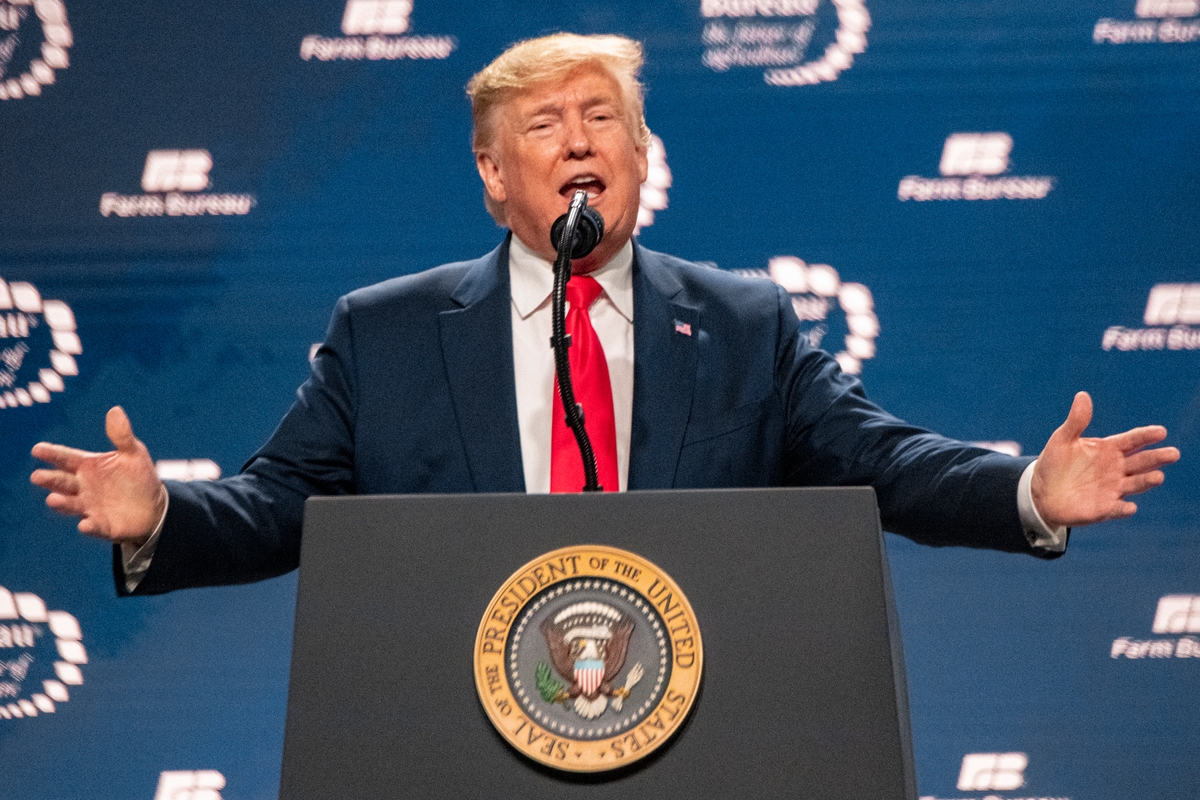
United States: In a landmark move underscoring a seismic shift in digital ethics and legal responsibility, President Donald Trump, flanked by dignitaries in the Rose Garden, signed into law a potent legislative hammer aimed at eradicating the proliferation of nonconsensual intimate content—including disturbingly realistic AI-generated fabrications and revenge porn.
This statutory act, heralded as the Take It Down Act, stands as a resounding victory for First Lady Melania Trump, who fervently championed its passage as part of a revitalized push within her Be Best campaign. During the ceremony, Melania Trump delivered a poignant statement, “Through the Take It Down Act, we declare unequivocally that safeguarding our youth is not optional—it is the bedrock of our families and our nation’s integrity.”
In a symbolic flourish, she affixed her signature to an executive order, reinforcing her commitment, according to POLITICO.
Congressional Momentum and Bipartisan Backbone
Sweeping through the legislative chambers with remarkable speed, the bill garnered near-unanimous support—sailing through the House in April with a 409–2 vote, after earning unanimous Senate approval earlier in February.
Trump Signs “Take It Down” Act Backed by Melania Trump https://t.co/1fTRr0Evuo
— LittleAfrica News (@LittleAfricaUS) May 20, 2025
This law stipulates unequivocal federal criminal accountability for any individual disseminating explicit images without the subject’s consent. Moreover, it mandates that social media conglomerates expedite the eradication of such content upon notification, with the Federal Trade Commission vested with enforcement clout.
A Shield Against Technological Malice
Amid growing alarms over the insidious weaponization of artificial intelligence—particularly in crafting counterfeit yet hyper-realistic sexual content—this law offers a desperately needed line of defense. These deepfakes disproportionately target women and prominent individuals, becoming digital daggers in the modern arena of harassment.
The legislative blueprint emerged from bipartisan minds—Senators Ted Cruz (R-Texas) and Amy Klobuchar (D-Minn.), both present during the official signing. Lawmakers across the aisle characterized the act as an overdue bulwark against a festering digital scourge.
Senator Cruz lauded the moment, stating, “The Take It Down Act is a monumental triumph for those long silenced by image-based abuse. Those who exploit technology to disseminate such grotesque invasions of privacy will now meet well-earned justice. And tech titans can no longer look away.”
Tech Regulation in Rare Form
This act, among the most prominent tech-oriented statutes of Trump’s second term, serves as a rare beacon of successful bipartisan alignment in a notoriously gridlocked Congress. Yet, analysts caution it may remain an outlier rather than a harbinger of further tech reforms, as reported by POLITICO.
The bill drew resounding applause from advocacy groups and survivors of digital abuse. However, a chorus of digital rights entities voiced cautionary concerns about potential friction with free expression and data privacy.
Melania Trump’s Closing Decree
In her final remarks, Melania Trump expressed heartfelt conviction, “As artificial image fabrication spreads, countless women are being dragged into digital torment, paraded in cruel deepfakes and explicit imagery shared against their will. This is not just wrong—it’s a form of abuse that sears the soul. And it must end.”
🚨 Huge news! The TAKE IT DOWN Act is now LAW! 🚨
— Rest Stop Ministries (@reststopmin) May 20, 2025
For the first time, non-consensual sexual images, including deepfakes, are a FEDERAL CRIME. ⚖️Survivors can now report this exploitative content, and social media platforms are legally required to remove it within 48 hours. 🚫 pic.twitter.com/oRn7LmMb69
This legislative stride does not just penalize the vile—it validates victims. In an age where pixels can fabricate pain, the law seeks to draw an unambiguous line between liberty and violation.