United States: In a dramatic judicial turn on Friday, US District Judge Michael Farbiarz permitted the conditional release of Mahmoud Khalil—an outspoken critic of Israeli policy—pending the resolution of his entangled legal proceedings. Farbiarz, appointed under the current administration, underscored the highly unusual nature of Khalil’s prolonged detention, citing it as “an exceptional scenario” rarely seen in such cases.
Khalil’s counsel argued in a formal plea that his confinement inside a federal immigration facility in Jena, Louisiana, represented an overreach of executive authority—an act tinged with unconstitutional undertones, possibly retaliatory in nature. The legal team labeled the incarceration as not merely irregular, but a “peculiarly rare” governmental development, according to Fox News.
Having been held for over three months following his apprehension at his Columbia University residence, Khalil’s status as a lawful permanent US resident did little to shield him from the unexpected custody. While behind bars, his American wife gave birth to their child, underscoring the human toll of the unfolding legal saga. Judge Farbiarz expressed no concern over Khalil being a danger to society or likely to flee, thus clearing a path for potential release by day’s end.
The controversy ignited after Secretary of State Marco Rubio invoked a little-known clause from the Immigration and Nationality Act, asserting that Khalil’s campus-led activism posed a dissonance with the nation’s foreign policy stance. This assertion formed the bedrock of an initial ruling deeming Khalil removable. However, Farbiarz blocked any immediate deportation based on that assessment, raising questions about the political underpinnings of such claims.
Yet the Department of Homeland Security (DHS) wasn’t deterred. The agency added new ammunition to their case, alleging that Khalil failed to disclose crucial affiliations on his green card petition—among them, links to Columbia University’s Apartheid Divest campaign. This claim served as an additional legal lever to keep Khalil under detention and to seek his removal, as per Fox News.
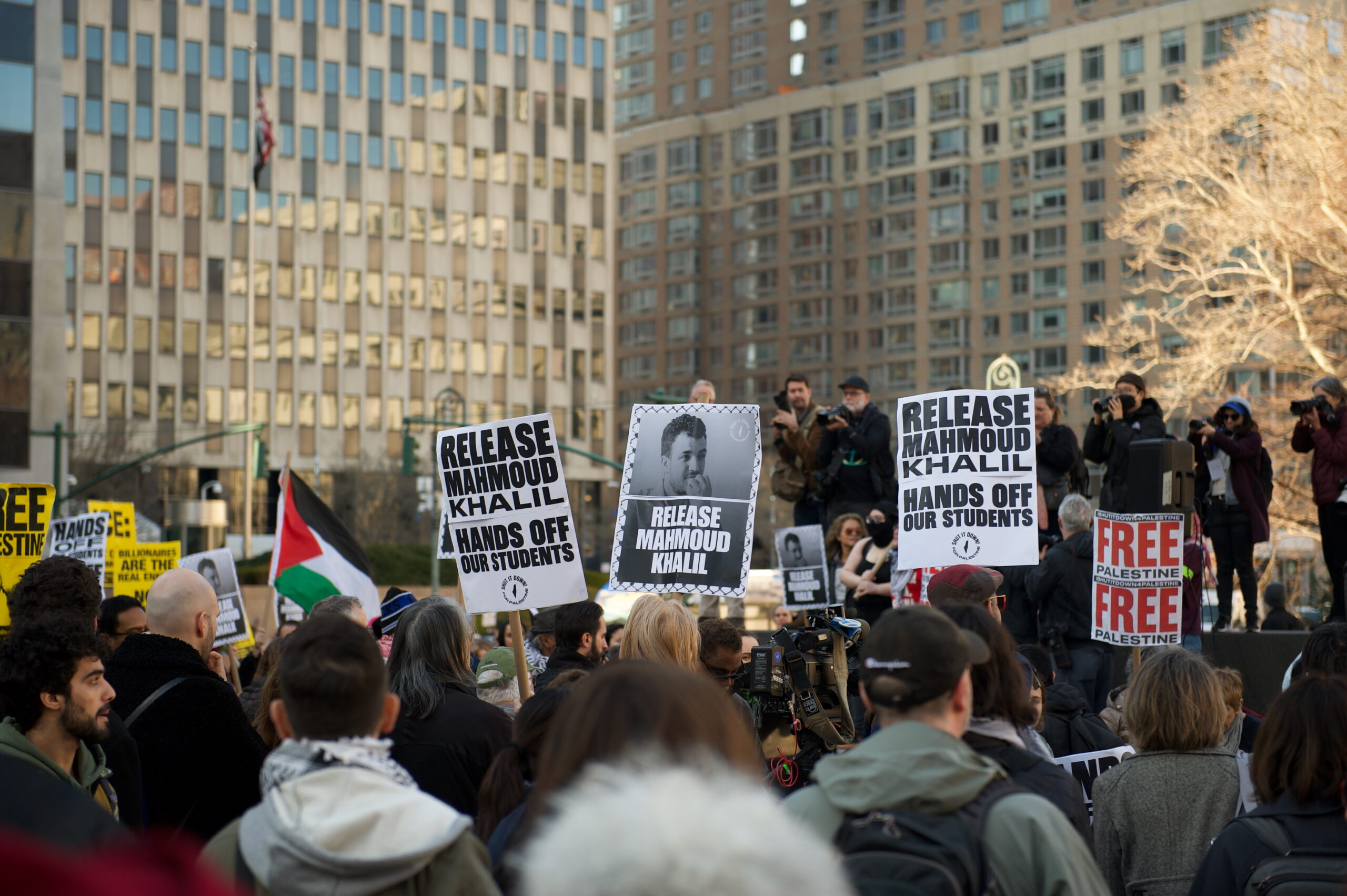
Now caught in a crossfire of policy, protest, and legal complexity, Khalil’s case has morphed into a rallying symbol for those challenging pro-Israel narratives and advocating for immigration rights. These voices argue that the current administration’s actions signal a broader suppression of dissent, particularly voices critical of Israel’s military actions in Gaza and confrontations with Iran.
Federal prosecutors, however, contended that Khalil’s continued custody is justified under the allegation that he deliberately masked affiliations when applying for immigration status. They insisted the federal court lacks the jurisdiction to intervene until immigration authorities adjudicate the pending deception-related charge.
“Khalil continues to be held under federal authority as he is presently facing allegations of willful misrepresentation and deceit on his adjustment of status documents,” read the DOJ’s memorandum submitted to the bench earlier this week, according to the reports by Fox News.
As the legal dust settles and arguments simmer, Khalil’s freedom may be momentarily restored—but the larger battle over speech, status, and sovereignty is far from concluded.