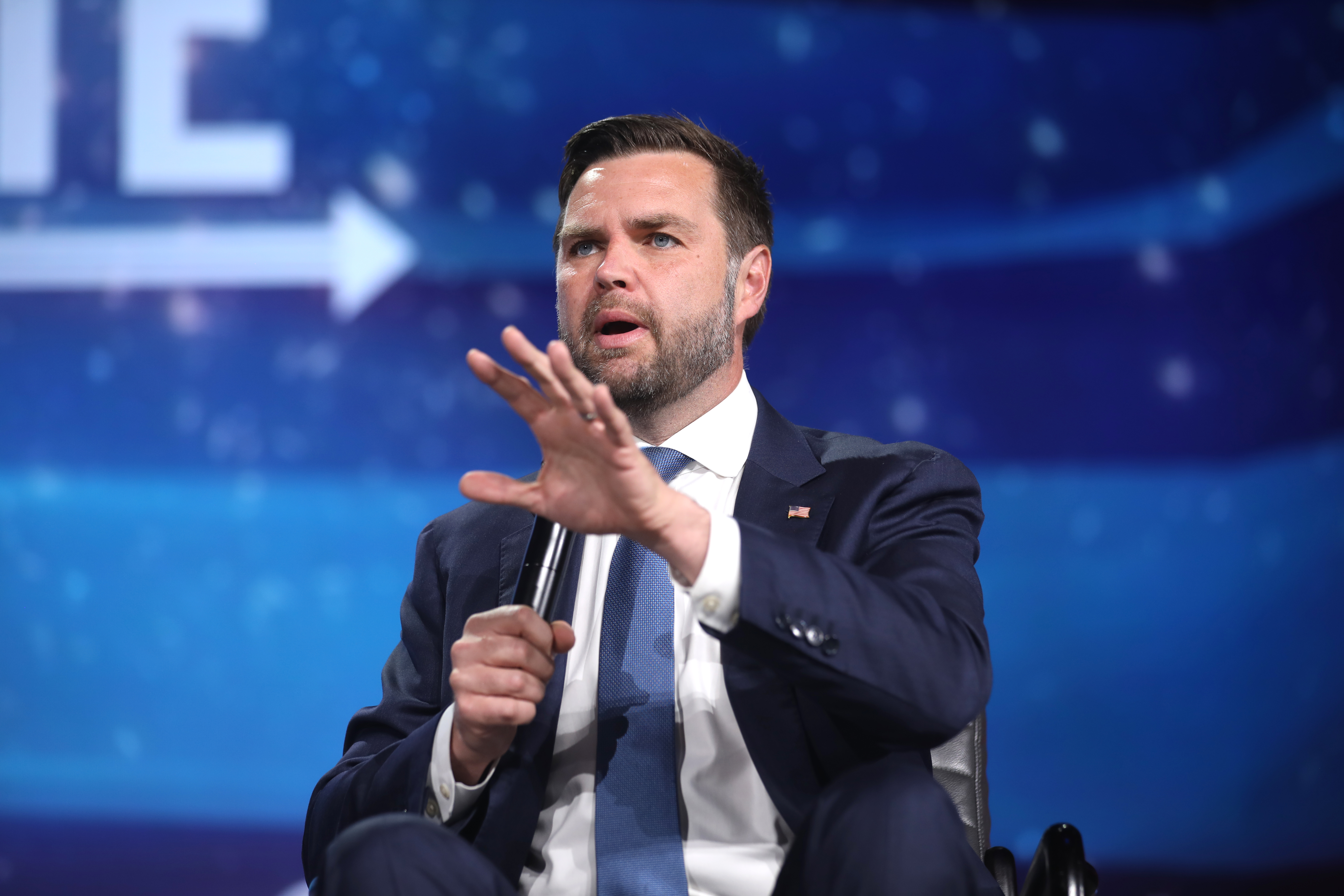
United States: Vice President JD Vance is poised to make a pointed appearance in Los Angeles this Friday, stepping into a volatile atmosphere charged by the Trump administration’s intensified immigration enforcement.
As outlined in a formal itinerary, Vance’s visit includes an inspection of a multi-agency Federal Joint Operations Center, a review of a Mobile Command Unit, engagements with both military brass and enlisted Marines, followed by brief public commentary. This symbolic and strategic presence carries weight, given the city’s recent upheaval.
The trip trails a cascade of fervent anti-ICE demonstrations that have flared across Los Angeles. In response, President Donald Trump deployed National Guard personnel and active-duty Marines — a move that drew swift rebuke from Democratic leaders and civil liberty groups. The city, long a sanctuary flashpoint, now stands as an emblem of the broader national friction over immigration enforcement and executive overreach, according to POLITICO.
Recent weeks have been marked by increasing tension between federal officials and progressive leaders. These confrontations have not been merely verbal — they’ve turned physical. The most jarring of incidents involved California Senator Alex Padilla, who was aggressively restrained and handcuffed by federal officers after attempting to question Homeland Security Secretary Kristi Noem during a press briefing. The spectacle provoked national uproar.
Governor Gavin Newsom, in a blistering response, framed the event as a dire signal: “If they can shackle a US Senator for speaking, envision the fate awaiting everyday citizens.”
Secretary Noem, flanked by GOP allies, stood her ground. She dismissed Padilla’s actions as deliberate theater, alleging he “manufactured a scene.” Meanwhile, Speaker Mike Johnson called for formal censure of the senator, escalating the political temperature even further.
The city’s confrontations haven’t been limited to Capitol Hill dignitaries. David Huerta, president of SEIU California — one of the state’s most influential labor organizations — was violently subdued during a protest against immigration raids. The clash left him briefly hospitalized and landed him in federal custody. He later secured release on a $50,000 bond, but the incident underscored the escalating stakes of the civic unrest.
While Mayor Karen Bass has since rescinded the citywide curfew and protest fervor has visibly cooled, a palpable federal footprint remains. ICE, though quieter, has not retreated.
Adding to the simmering tension, the Los Angeles Dodgers reported an incident on Thursday where ICE personnel allegedly approached Dodger Stadium requesting access to parking areas. The organization firmly denied entry. But in a twist, ICE responded online, asserting it had “never been there.” Homeland Security followed up, distancing the incident from any coordinated enforcement action, saying CBP units had momentarily parked in the vicinity but were not conducting operations tied to the venue, as reported by POLITICO.
Later that day, another federal domino fell in Trump’s favor. A federal appellate court quashed California Governor Gavin Newsom’s legal maneuver to retain authority over National Guard troops — a jurisdiction he sought to defend after Trump’s federal mobilization order aimed at pacifying Los Angeles demonstrations. The court’s decision was heralded by Trump as a legal vindication.
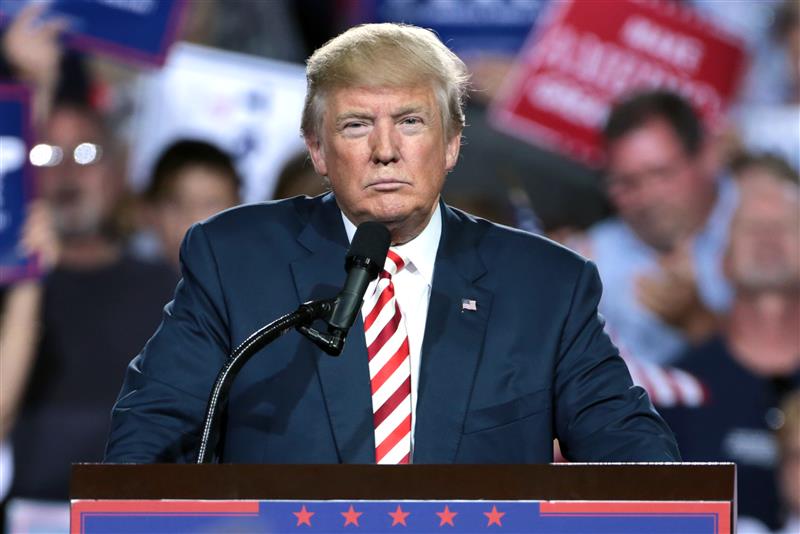
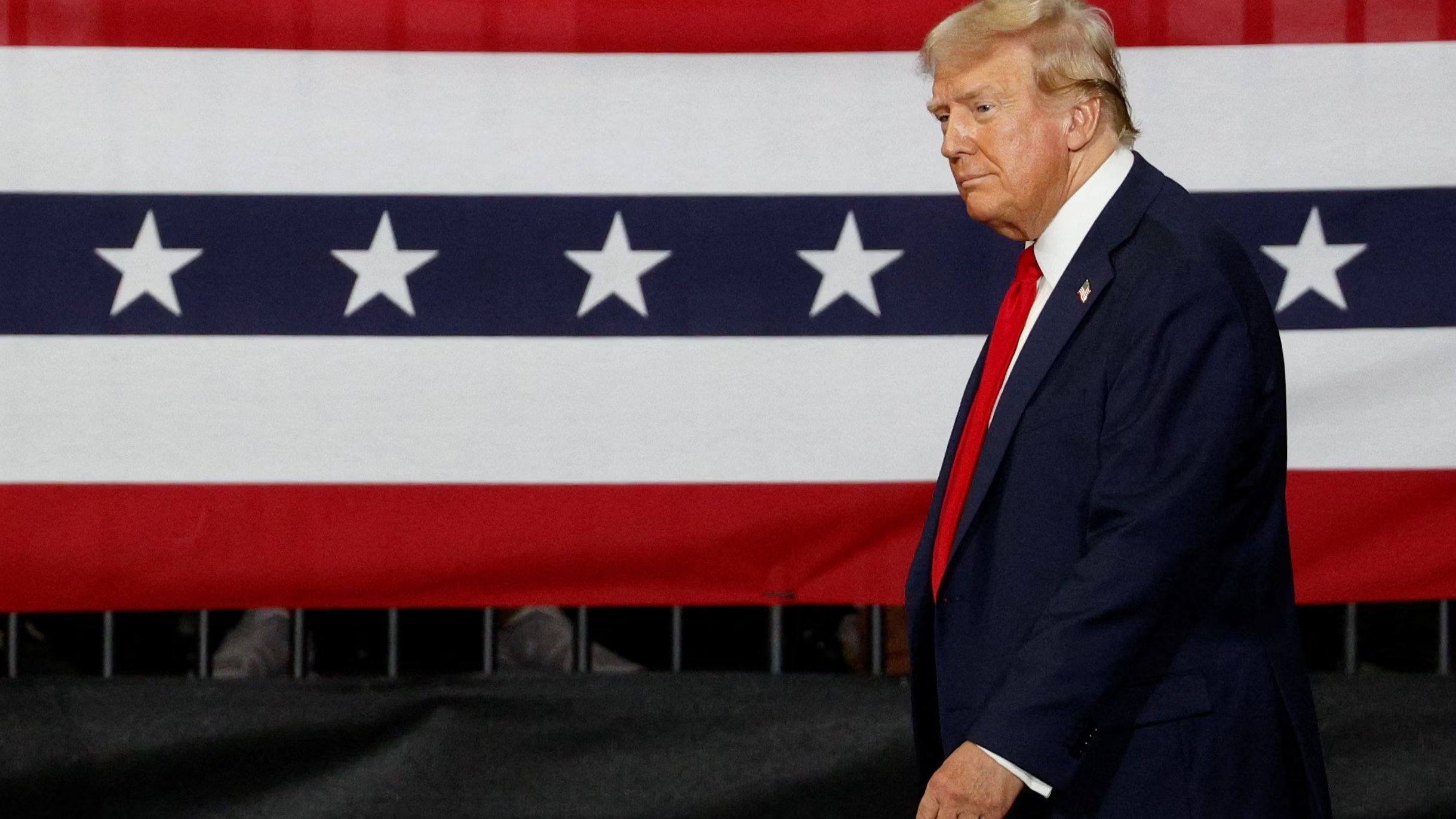
On Truth Social, Trump basked in the ruling. “The Judges obviously realized that Gavin Newscum is incompetent and ill-prepared,” he wrote. “But this is much bigger than Gavin, because all over the United States, if our Cities and our people need protection, we are the ones to give it to them, should State and Local Police be unable, for whatever reason, to get the job done. This is a Great Decision for our Country, and we will continue to protect and defend law-abiding Americans.”
Trump’s declaration cast the court’s ruling as a broader triumph — a precedent-setting green light for federal authority in moments of municipal crisis, regardless of local resistance.
As JD Vance’s jet descends into Los Angeles, the symbolism of his timing and presence looms large. The city stands at a crossroads: caught between cries for sovereignty and the iron grip of federal order.