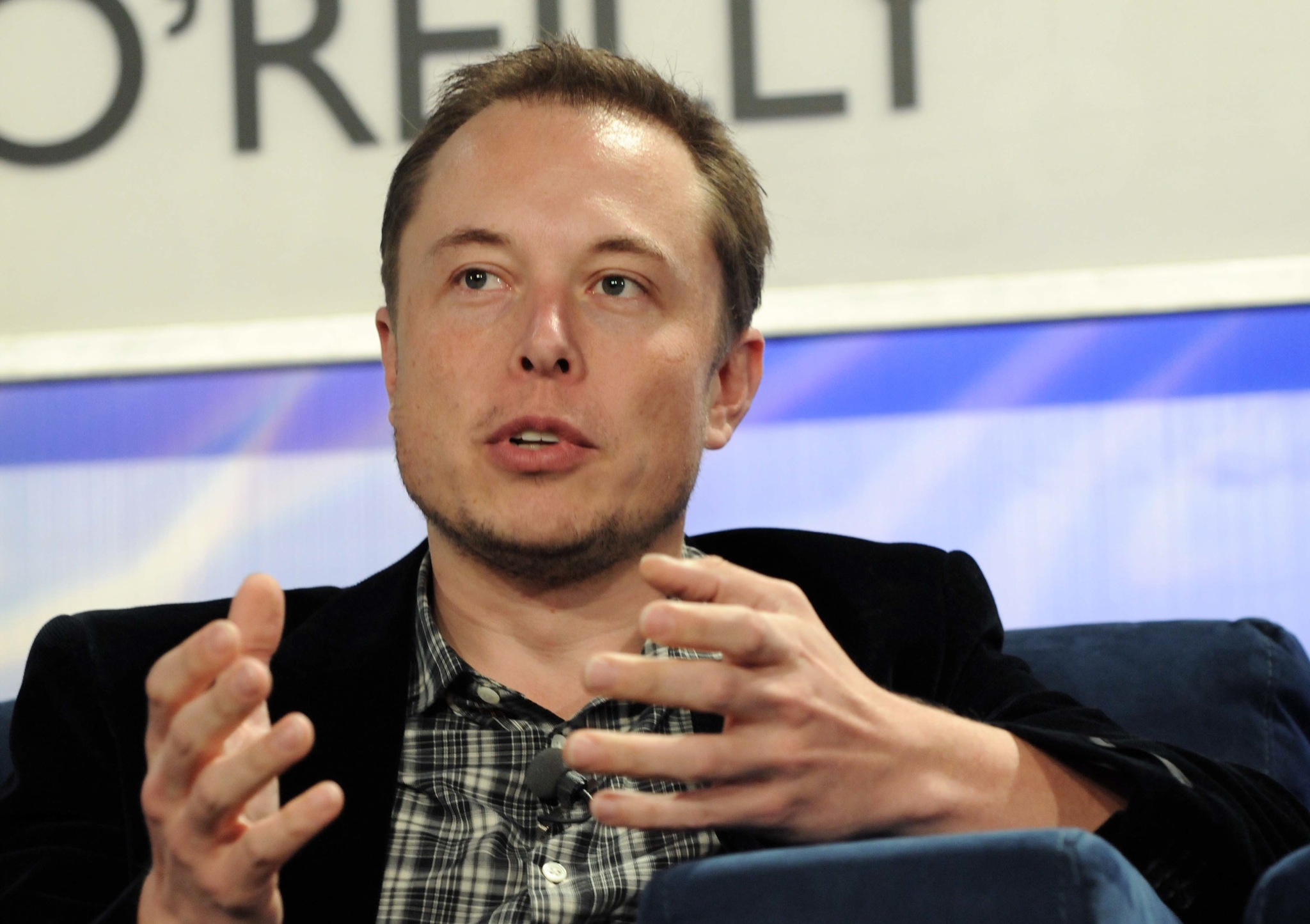
United States: In the ever-churning theater of political allegiances, Elon Musk has reignited tensions with a blistering strike—this time not aimed at President Donald Trump, but at a central figure within his administration. Musk, a once-celebrated architect within the DOGE initiative, took to X with a terse and venomous jab at Sergio Gor, branding the top presidential aide a “snake” in a late-night digital salvo.
Responding to a New York Post exposé suggesting Gor may have bypassed vital security clearance formalities, Musk didn’t mince words. The post alleged that Gor—despite orchestrating vetting for droves of White House operatives—has sidestepped filing key documentation for his own clearance.
“He’s a snake,” Musk posted, his rebuke cutting through the digital noise with unmistakable sharpness, as per politico.com.
Despite the furor, the White House moved swiftly to deflect the blow. Counsel David Warrington defended Gor, stating unequivocally that the adviser maintains an active security status and has adhered to all requisite ethical thresholds.
“Mr. Gor is fully compliant with every pertinent legal and ethical mandate,” Warrington affirmed. “His clearance remains intact. Any claim to the contrary is outright fiction.”
Vice President JD Vance lent further reinforcement, portraying Gor as a linchpin in staffing the administration with loyalists tethered to the “America First” doctrine. “He’s done a stellar job,” Vance asserted, “and he will persist in delivering.”
Fractures between Musk and Gor aren’t novel—they’ve long percolated beneath the surface. The tipping point came during a March Cabinet conclave where Musk, disagreeing with proposed agency budget scalps, locked horns with fellow executives. President Trump, stepping in, reinforced departmental autonomy, seemingly diminishing Musk’s sway.
That incident led Musk to distance himself from Gor, whose involvement in axing Jared Isaacman’s nomination as NASA chief—one of Musk’s preferred candidates—further deepened the rift.
The Isaacman fallout appeared to be the final nail. Following the derailment, Musk launched into a storm of public grievances, challenging the president’s proposed “Big Beautiful Bill” and lashing out across social media, according to politico.com.
Trump, in damage control mode, attributed Musk’s online firestorm to the Isaacman snub, calling it the spark that ignited a broader falling out.
This dramatic collapse—occurring as Musk edged away from his official government functions—drew the curtain on what had once been a close partnership, a bond Trump once described as fraternal.
Despite the animosity, calm has since returned. Trump downplayed the rupture, assuring observers that he held “no hard feelings.” Musk, too, offered contrition, admitting in a later post that he “went too far” during the fray.
Still, for all the reconciliation, the scars remain. Behind the press briefings and digital apologies lies a lingering unease—proof that in Washington’s highest echelons, yesterday’s allies can swiftly become today’s adversaries.