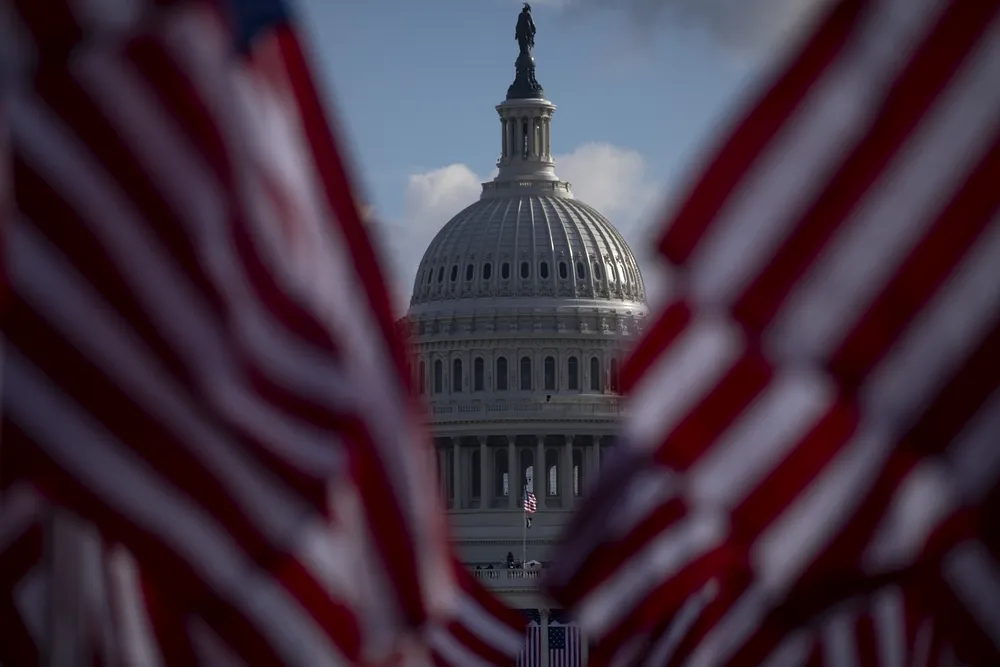
United States: In a quiet but momentous pivot on Capitol Hill, the United States Senate gave its unanimous nod to the No Tax on Tips Act, advancing legislation that seeks to shield service workers from federal taxation on their declared gratuities.
This legislative leap took place after Senator Jacky Rosen of Nevada, invoking a unanimous consent maneuver, ushered the measure through without resistance. Standing before her Senate colleagues, Rosen, a Democratic voice with bipartisan reach, urged swift passage: “This is a commonsense, cross-aisle endeavor. It has allies on both sides. We ought to move with haste and without political traps,” she insisted on the Senate floor.
The origin of the bill traces back to January 2025, when Senator Ted Cruz, flanked by an ideologically mixed team of sponsors including Rosen and fellow Nevadan Catherine Cortez Masto, introduced it.
Rosen’s procedural request passed unchallenged, and the legislative baton now passes to the House of Representatives, where the measure awaits deliberation, according to The Guardian.
🚨Senate Unanimously Agrees to Another Tax Giveaway🚨
— CRFB.org (@BudgetHawks) May 21, 2025
Yesterday, the Senate passed by unanimous consent the No Tax on Tips Act, a bill that would create a federal income tax deduction of up to $25,000 a year for cash tips for eligible employees in jobs that “traditionally and… pic.twitter.com/WjlZ03zWax
The bill outlines a tax exclusion ceiling of $25,000 annually for cash tips voluntarily disclosed to employers. This deduction applies only to earners making $160,000 or less, thereby targeting middle- and lower-income wage workers in traditionally tipped roles.
Within 90 days of enactment, the US Department of the Treasury is expected to release a comprehensive catalog of job categories that routinely receive tipping income — a critical guide for future enforcement.
Trump's 'big, beautiful' bill jumps jumps key hurdle. The latest on tax credits, no taxes on tips https://t.co/4IlakKghDk
— Tennessean (@Tennessean) May 21, 2025
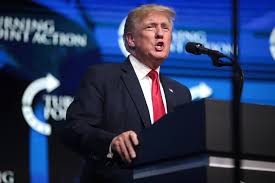
The rallying cry to eliminate taxes on gratuities crescendoed during the 2024 presidential race, with Donald Trump championing the idea during a campaign stop in Nevada. Kamala Harris, later in the season, added her endorsement to the narrative.
HR 482 No Tax On Tips Act is not what Trump Promised!
— tweekyrabbit (@tweekyrabbit) May 21, 2025
It is only on Cash Tips. Every one knows majority of tips are on Credit Cards. @realDonaldTrump Please do not not sign this Bill. Seems to undermine your Real Intentions. Bill will give very little relief to tip employees
However, the proposal hasn’t escaped scrutiny. Economists and worker advocacy coalitions have flagged it as potentially counterproductive, contending that it may encourage an overreliance on tipping models, depress movement toward higher base pay, and offer limited relief, touching only about 5% of the nation’s lowest earners.
Research from the Brookings Institution underscores this concern, noting that 37% of tipped employees already owe no federal income tax due to their paltry wages. Analysts argue that abolishing sub-minimum pay rates would yield broader, more equitable gains, as mentioned by The Guardian.
Lena Simet, a seasoned voice from Human Rights Watch, weighed in during an interview with The Guardian in August 2024, “Scrapping income floors while holding on to unpredictable gratuities opens the door to abuse and deeper disparity. A true fix guarantees a firm wage base — tips should be the bonus, not the backbone.”
Her sentiment reflects a broader unease: that policies like this may offer the illusion of progress while preserving fragile pay structures for America’s most vulnerable workers.