United States: In a document that reads more like a thunderclap than a government memo, the White House’s Make America Healthy Again Commission has unveiled a blistering critique of America’s deepening chronic disease dilemma.
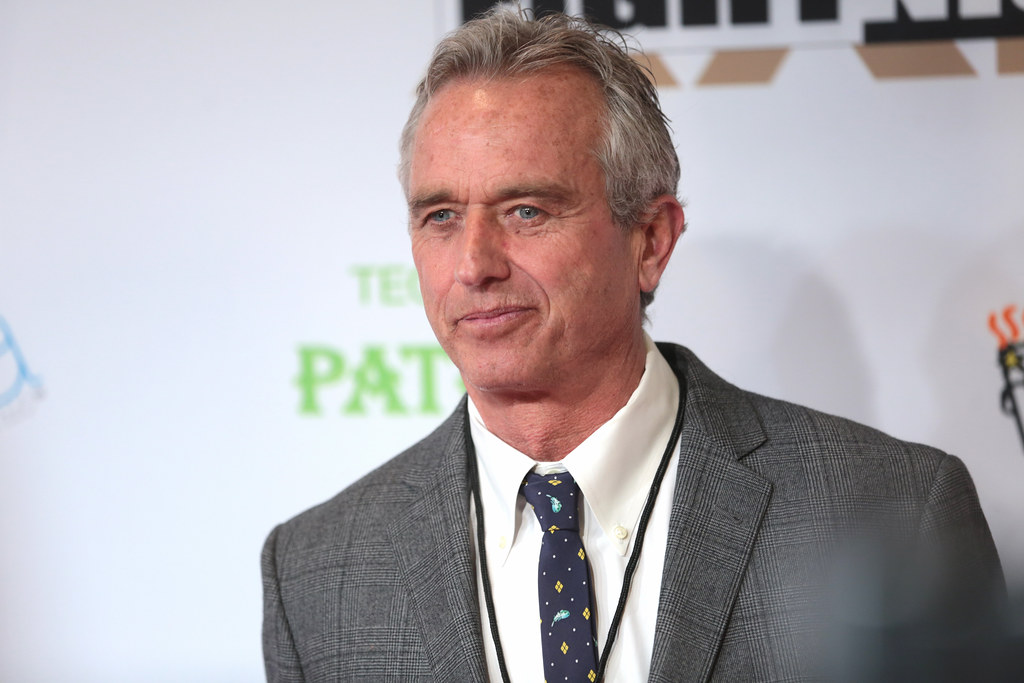
Spearheaded by Health and Human Services Secretary Robert F. Kennedy Jr., the report blames modern plagues such as sedentary lifestyles, chemical-laden environments, ultra-processed edibles, and the digital overexposure afflicting American youth. The commission also calls for a renewed scientific lens on childhood vaccines—a move sure to ignite further public discussion.
“This is arguably the most seismic consensus ever penned by a federal agency concerning the nation’s wellness,” Kennedy proclaimed during a press call. “It’s unapologetically direct—a trumpet blast demanding urgent change.”
Despite its passionate tone, the 69-page dossier remains murky about practical solutions or financial frameworks. Crucial elements like cost estimation or action steps to combat these diseases are conspicuously absent. Stakeholders from agriculture and food conglomerates to chemical corporations are expected to push back hard against any impending regulatory storms.
JUST RELEASED: MAHA Commission report criticizes the excessive influence of corporations and the trend toward
— Melissa Hallman (@dotconnectinga) May 22, 2025
The Make America Health Again Commission, led by HHS Secretary Robert F. Kennedy Jr., released a report outlining health priorities under President Trump’s… pic.twitter.com/ubUUFh0Tc1
“We don’t have a budget yet,” Kennedy admitted. “There isn’t a concrete policy on the table ready to be costed. Over the next 100 days, we’ll sketch out our policy proposals,” according to ABC News.
He further added, “The goal now is to design actionable policies for the president, followed by a four-year journey of implementation.”
While critics raise eyebrows at the lack of fiscal clarity, Kennedy insists the country can recoup costs through healthier outcomes. “We’re poised to save substantially—sooner rather than later—by reversing these disease trends,” he said.
Calley Means, a health crusader and special advisor to the commission, hailed the report’s bravery. “This document legitimizes the long-ignored outcry against pesticides and names names—it’s historic,” he told ABC News.
Kennedy emphasized that the president specifically wanted the commission to hone in on Americans’ dietary habits. However, the report casts a wider net, identifying chronic stress, chemical exposure, physical inactivity, and the dangers of excessive medicalization as root contributors to widespread illness.
“Our children have become the unhealthiest on Earth,” Kennedy lamented, pointing fingers at systemic culprits.
One explosive topic—pesticide use—has already unleashed tremors through the agricultural world. As the report’s release loomed, pushback intensified from industry defenders. Key voices in the executive branch attempted to quell concerns.
Brooke Rollins, Secretary of Agriculture, and Lee Zeldin, Administrator of the Environmental Protection Agency, assured farming sectors that the government isn’t planning any sudden disruptions.
All eyes on MAHA report due out Thursday. Pesticide pushers are quaking in their boots, says @careygillam, even though Kennedy has publicly assured them there will nothing to worry them in his report about countering chronic disease in the US. #glyphosate https://t.co/0nPMZGO6Yu pic.twitter.com/ENAwuk4sbQ
— GMWatch (@GMWatch) May 22, 2025
Rollins firmly stated, “This report is riddled with fear rather than grounded science. Pesticide claims lack credibility and disregard the EPA’s long-standing evaluations.”
Echoing this, Rollins reaffirmed public trust: “America’s food system isn’t just safe—it’s the safest globally. That must remain crystal clear,” as reported by ABC News.
She assured that neither Kennedy nor the commission would undermine the agricultural engine of the country. Zeldin added that any considerations to regulate pesticide use would be grounded in balanced analysis, keeping the needs of farmers at the forefront.
“Our agricultural sector depends on these tools. Any move to restrict them must weigh protections, alternatives, and costs with surgical precision,” he explained.
Zeldin warned against rash alterations in farming practices, noting they could backfire, harming food supply stability.
Still, resistance surged from key industry groups. The National Corn Growers Association, often aligned with chemical companies like Bayer, dismissed the commission’s claims outright.
“The report is a hotbed of alarmist misinformation, completely divorced from scientific validation and decades of EPA scrutiny,” the association fired back.
In another contentious angle, the report calls for further study into childhood vaccines. While it acknowledges vaccines’ role in preventing infections, it claims a void exists in researching long-term connections to chronic illness, according to ABC News.
“Despite an expanding vaccine schedule, minimal scrutiny has been given to potential links with chronic ailments, vaccine-related harm, or conflicts of interest in how schedules are set. These gaps demand exploration,” the report posits.
However, a mountain of research has failed to show any correlation between increased vaccination and higher chronic disease rates among children.