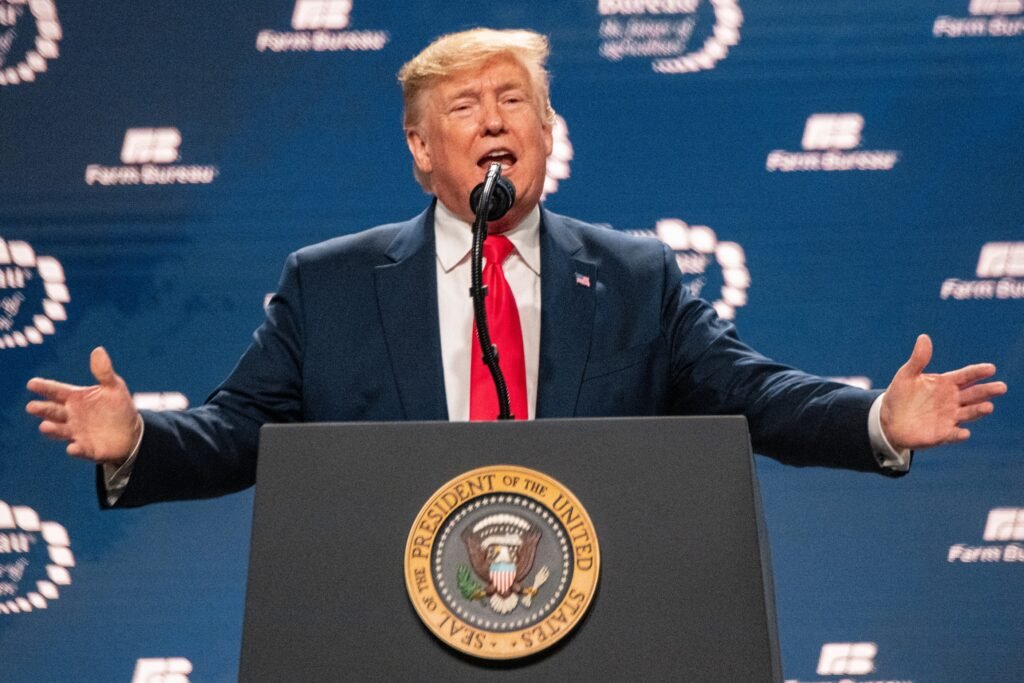
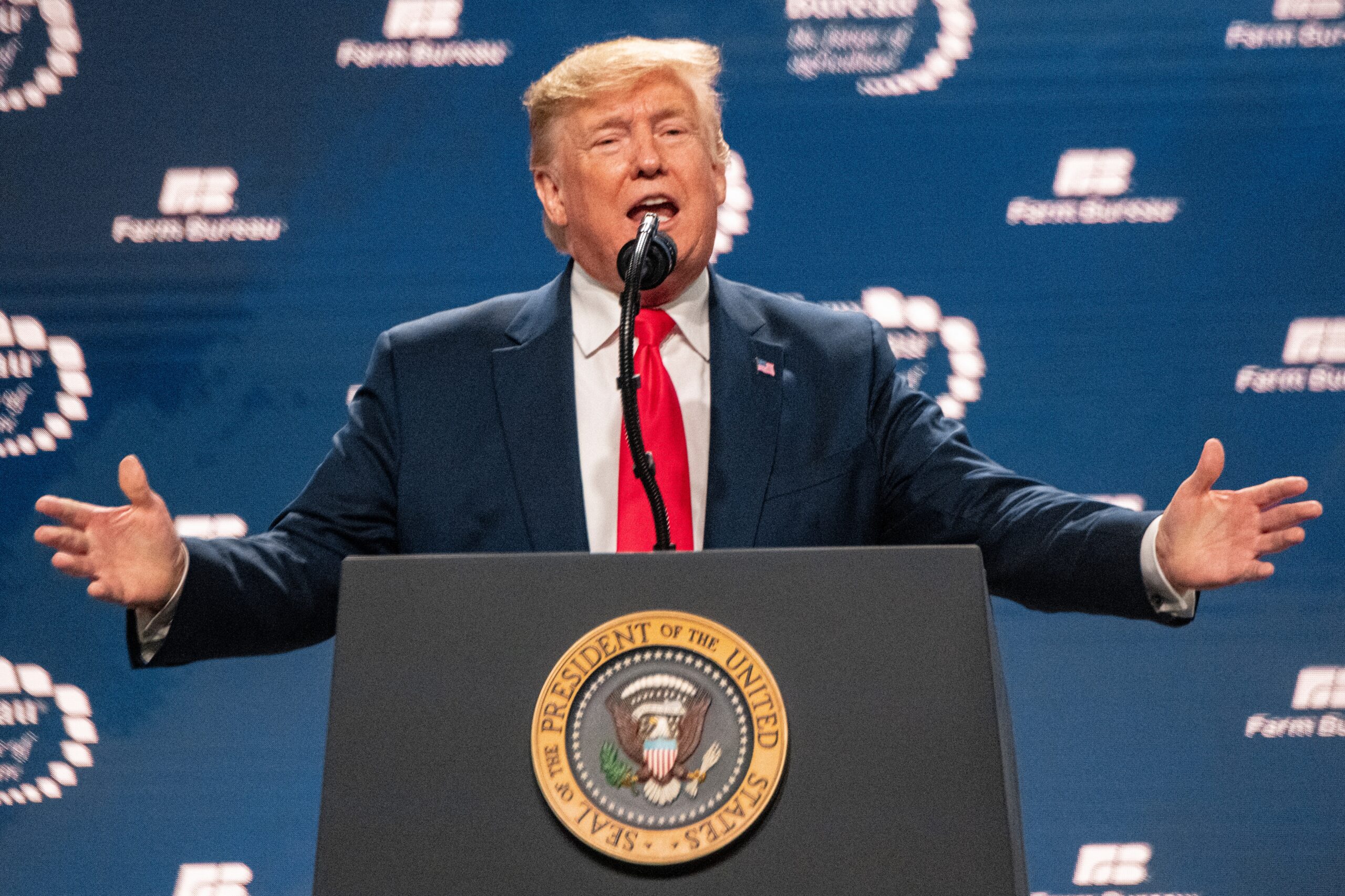
United States: A seemingly forgotten courtroom clash from a half-century ago may now provide a pivotal anchor for President Donald Trump’s far-reaching tariff developments. And at the heart of it all? A Japanese zipper maker that once challenged Richard Nixon’s economic strategy.
Earlier this week, a federal bench in Florida — helmed by Trump appointee Judge T. Kent Wetherell II — leaned on an old judicial precedent to suggest that a president may indeed possess the latitude to enact tariffs without Congressional blessing. Although he refrained from laying down a definitive ruling, his remarks offered a legal olive branch to Trump’s contested economic policies.
The Case Unfolds: From Stationery to Statutes
The legal dispute arose in April, triggered by a challenge from Emily Ley Paper, a Florida-based planner brand. The company took issue with Trump’s unilateral tariffs, urging the court to nullify them by asserting that the president overstepped constitutional boundaries.
Judge Wetherell, however, leaned on the International Emergency Economic Powers Act (IEEPA) of 1977 — a law designed more for national crises than revenue collection — to support the view that Trump had solid legal footing. Citing the president’s reasons, which included combating illegal drug inflows and correcting trade asymmetries, the judge concluded these justifications were sufficient under the Act’s framework, according to ABC News.
In his decision, Wetherell wrote, “This civil action emerges from federal statute—IEEPA—posing the essential query: does this law encompass tariff imposition?” Aligning with the government’s interpretation, he affirmed, “The Court concurs with the defendants…”
Symbolic Victory, Strategic Move
While Wetherell opted to reroute the case to the Court of International Trade in New York — removing himself from its final judgment — his supportive view on Trump’s tariff powers marks a noteworthy pivot in judicial attitudes. His ruling, albeit procedural, maybe the first tangible signal that Trump’s tariff blueprint might endure legal scrutiny.
Legal watchers note that this shift may influence ongoing hearings at the Court of International Trade, where judges are dissecting the very essence of Trump’s authority under IEEPA. Central to the debate is whether the power to “regulate” imports, as mentioned in the law, inherently includes the right to slap tariffs — a power traditionally guarded by Congress.
Zipper Lawsuit: From Nixon’s Desk to Today’s Courtrooms
The Trump camp is bolstering its case with a 1970s judgment that emerged during Nixon’s presidency. When Nixon levied stiff tariffs amid a spiraling economic crisis in 1971, Japanese zipper titan Yoshida challenged him in court. The case made it to the Court of Customs and Patent Appeals — now known as the Court of International Trade — where judges sided with Nixon, concluding that the Trading with the Enemy Act (TWEA) gave him adequate legal ammunition, as per ABC News.
Wetherell drew a parallel, observing that the IEEPA, a legal heir to the TWEA, contains identical operative language. He argued that if Nixon could use that law to impose economic firewalls, Trump could, too. “Yoshida’s reasoning holds water,” he noted. “There’s no cause to believe the IEEPA should be treated any differently.”
A Quiet Legacy: Zippers and Zeal
Though Yoshida lost the case, its legal echoes remain potent. The company itself — now renamed YKK — endures, crafting more zippers than any competitor on the planet. Meanwhile, the legacy of its courtroom loss may become the unlikely foundation for Trump’s latest economic crusade.
In a swirl of old laws, new ambitions, and unexpected players, the contours of presidential trade power are once again being redrawn — perhaps with the quiet click of a zipper in the background.