United States: This week, Washington DC becomes the center of global finance as top economic leaders from around the world gather—not just for group discussions, but for private, deal-making meetings. The big question everyone is asking is: Who can help them cut a trade deal?
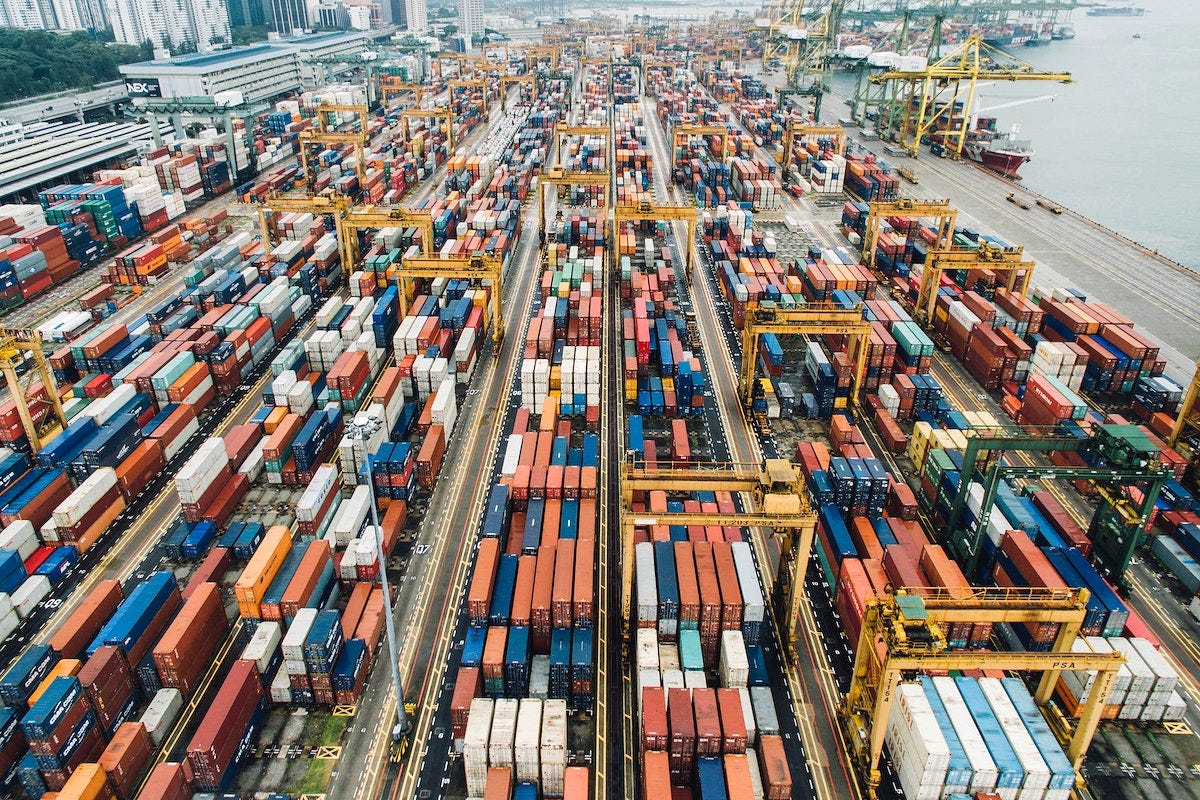
Usually, these meetings focus on big topics like climate change, inflation, or helping Ukraine’s economy during the war. But this time, one issue has taken over everything—tariffs. More specifically, how to escape or soften the impact of President Donald Trump’s sharp rise in import taxes since returning to office in January.
Much of the attention is on Scott Bessent, the new US Treasury Secretary. He’s leading the US talks on tariffs and holds the key to how America will work with the IMF and World Bank—though his support for these institutions is still uncertain, according to Reuters.
“Trade fights are going to dominate this week,” said Josh Lipsky from the Atlantic Council. “Every country is looking to strike their own deal, so this year’s meetings are very different.”
A Slower Global Economy and Growing Worries
Trump’s tariffs are already affecting the global economic forecast. The IMF will release a new report on Tuesday, and the outlook is expected to be worse than before—not a global recession, but definitely slower growth. This is mostly due to the uncertainty and instability caused by the trade battles.
IMF leader Kristalina Georgieva said the world’s economy is still functioning, but growing fears about the trade situation could slow things down even more. Another worry is whether the US dollar can remain a “safe” currency for investors since Trump’s tariffs have caused investors to sell off US government bonds.
In past crises like COVID-19 or the 2008 financial crash, these meetings helped world leaders come together to make big decisions. But this time, countries are more focused on their own economies.
“The focus over the last few years has been on reforming the World Bank and helping poor countries with debt,” said Nancy Lee, a former US Treasury official. “That’s likely to be pushed aside this time,” as per Reuters.
Japan and South Korea Want Fast Deals
Japan is feeling the pressure from Trump’s 25 percent tariffs on cars and steel. They’re hoping to reach a quick agreement with the US-Japanese Finance Minister Katsunobu Kato, who is expected to meet with Bessent this week during the meetings.
South Korea is also seeking a delay to the 25 percent tariffs. Finance Minister Choi Sang-mok will meet with Bessent, too, aiming to find common ground on trade and other areas like energy and shipbuilding.
However, many are worried about whether Trump supports the IMF and the World Bank at all. A Republican policy plan called “Project 2025” has even suggested the US should leave these global institutions.
“I think Bessent needs to answer some basic questions,” said Nancy Lee. “Like, does the US still believe supporting global banks is good for America?”
US Support for Global Banks Still Unclear
World Bank President Ajay Banga said he’s had good talks with the Trump team, but doesn’t know if the US will give the USD 4 billion it promised last year under President Biden.
Banga is also expected to talk more about the World Bank’s new plan to fund not just clean energy but also nuclear and natural gas projects. The Bank is also focusing more on climate protection projects—moves that align more closely with Trump’s policies.
Interestingly, Bessent did show support for a USD 20 billion IMF loan to Argentina. He even visited Buenos Aires to back the country’s economic changes and said the US wants to offer better loan options than China’s expensive deals, according to Reuters.
Three former US Treasury officials wrote in The Hill that the IMF is a great deal for America. As the biggest shareholder, the US has a lot of influence at a very low cost.
“If the US steps back, China will step in,” they warned. “Our position in the IMF helps push American goals,” as per Reuters.
As global finance leaders arrive in Washington, the usual big-picture goals are taking a backseat. With Trump’s tariffs at the center of nearly every conversation, and Scott Bessent leading the talks, the meetings this year are less about working together and more about protecting national interests.